Ketosis describes a metabolic shift where your body starts deriving energy from fat rather than glucose. This transition happens when carbohydrate intake is limited enough to trigger the liver to produce ketone bodies that can fuel the brain and muscles. On a ketogenic plan, fat becomes a primary energy source, and the body adapts to use fat more efficiently — an adaptation that can influence appetite, energy levels, and how you feel between meals and after eating. People pursue keto for weight management by leveraging two core mechanisms: lower insulin exposure and greater reliance on fat oxidation. The outcome can include reduced hunger and a steadier supply of energy from stored body fat. This guide explains the science behind those mechanisms, the realistic weight-loss timelines and variability you should expect, how to manage diet quality and ketogenic targets, the benefits beyond the scale, and the common challenges that stall progress — with practical fixes you can apply today.
Key Takeaways
- Ketosis shifts your fuel source from glucose to ketone bodies
- Lower insulin and improved satiety signals drive fat loss
- Early weight loss is often water and glycogen, not fat
- Steady fat loss runs about 1–2 pounds per week after adaptation
- Adequate protein protects lean mass while you diet
- Hydration, electrolytes and meal planning keep keto sustainable
1. Ketosis and Energy Fuel Shifts
Ketosis is a metabolic state in which your liver converts fat into ketone bodies to power the brain and muscles. This shift occurs when carbohydrate intake stays low and fat intake is higher, moving the body toward fat as a steady energy source. As ketone production rises, you may notice changes in how you feel between meals. Some people experience steadier energy, while others adjust over time. This shift reflects the body moving away from chasing quick glucose spikes toward tapping stored fat for fuel.
In ketosis, the liver increases fat oxidation and reduces reliance on glucose. The result is a more continuous energy supply that can influence meal timing and appetite. The transition happens gradually as carbohydrate intake remains low and fat becomes the primary energy reservoir. Ketone bodies, such as acetoacetate and beta-hydroxybutyrate, serve as additional energy sources when glucose is scarce. They complement fatty acids and help preserve muscle glycogen during extended periods of low carbohydrate intake, supporting activity without depending solely on carbs.
- Ketosis begins when carbohydrate intake stays low and fat intake is higher
- The liver converts fat into ketones that fuel the brain and muscles
- Ketone bodies complement fatty acids and help spare muscle glycogen
- Energy between meals often becomes steadier as adaptation progresses

2. Insulin, Appetite, and Hunger Hormones
Carbohydrate restriction tends to keep insulin lower. With less hepatic glucose output and diminished insulin signaling, the body shifts toward using stored fat for energy. Over time, this hormonal environment supports ongoing fat oxidation and can stabilize energy availability between meals. Metabolic flexibility often improves as your fat oxidation capacity grows. The insulin response is gradual and influenced by how consistently you maintain ketosis, your protein intake, and individual physiology.
These hormonal shifts interact to shape fullness between meals and responsiveness to hunger while losing weight. Individual responses depend on baseline hormone levels, protein adequacy, and total daily carbohydrate intake.
- Ghrelin may trend lower in some individuals, helping blunt hunger during weight loss
- Leptin dynamics can shift toward better satiety signaling as body fat changes
- Satiety cues can become more reliable after meals with higher fat and adequate protein
- Individual responses vary with baseline hormones and total daily carbohydrates
3. Metabolic Adaptations for Fat Loss
Lower carbohydrate availability prompts your body to rely more on fat for energy, supporting fat loss while helping preserve lean tissue. With consistent training, you may notice steadier performance as fat metabolism becomes more efficient. Enzymes that drive fat breakdown become more active, reinforcing the adaptation process.
Gluconeogenesis continues to supply glucose for cells that depend on it, even as fat oxidation increases. This balance keeps basic functions supported while reducing the need for dietary carbs over time. Protein intake matters here: adequate amino acids protect lean mass and limit unnecessary glucose production from protein, which helps sustain fat loss without compromising health.
- Enhanced fat oxidation supports fat loss while preserving lean tissue
- Fat-metabolizing enzymes become more active with consistent ketosis
- Gluconeogenesis supplies glucose to cells that depend on it
- Adequate protein protects lean mass and limits excess glucose production

4. Weight Loss Trajectories and Timeframes
You may notice an initial drop in weight in the first weeks, often due to shifts in water and glycogen stores. After that, fat loss tends to drive progress, but the pace generally slows as your body adapts. Aim for steady, sustainable progress rather than rapid changes. Understanding these variables helps you set a realistic timeline. Some people experience steady weight loss for months, while others see slower changes due to fat oxidation pace or lean mass preservation. Consistency in meals and practical planning support more predictable progress.
- Starting body composition and metabolic efficiency
- Degree of carbohydrate restriction and total daily calories
- Protein adequacy to preserve lean mass
- Activity level and resistance training
- Sleep quality, stress, and overall adherence to the plan

5. Managing Diet Quality and Ketogenic Targets
On a ketogenic plan, you balance high fat with moderate protein and very low carbohydrate intake. The exact targets vary by individual goals, activity level, and tolerance. Aim for fats to supply most daily calories while keeping carbs constrained to a level that maintains ketosis. Protein should support lean mass without triggering excess glucose production. Too little protein risks loss of muscle; too much can slow ketosis in some people. Carbohydrate thresholds often hover in the low tens of grams per day but can differ based on activity and metabolic response.
Quality matters beyond macro targets. Choose micronutrient-rich options to prevent gaps in vitamins and minerals during sustained ketosis.
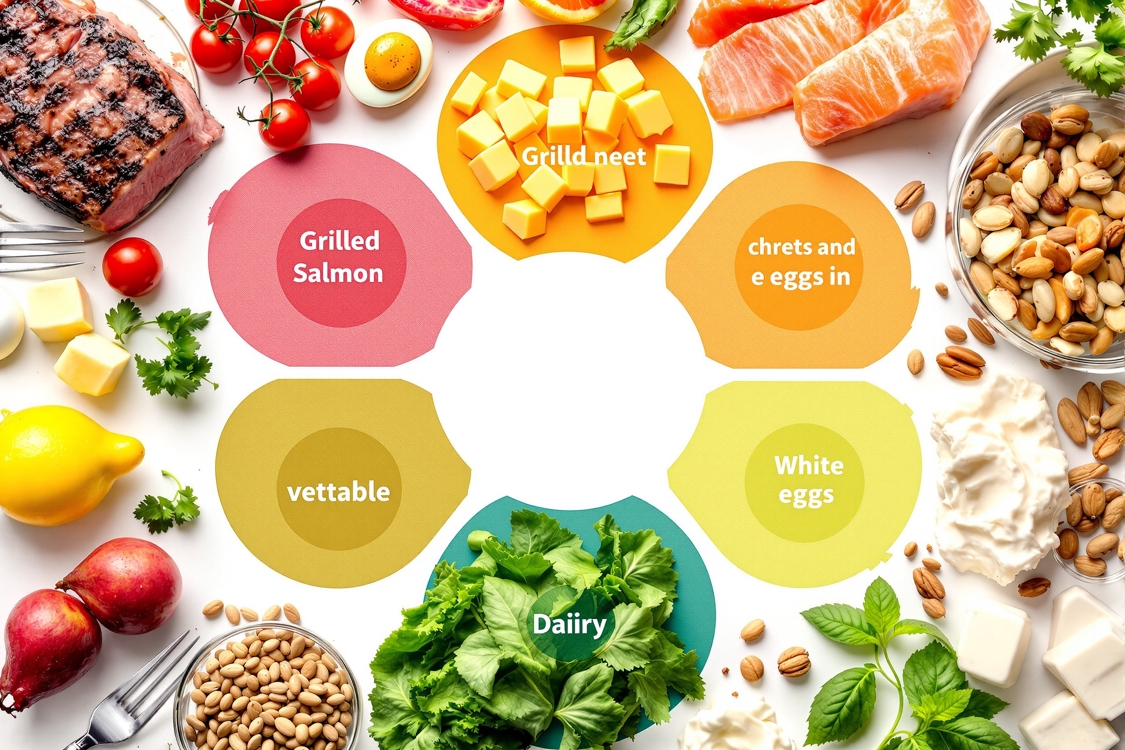
- Prioritize whole foods: fatty fish, avocados, olive oil, nuts, seeds, leafy greens and non-starchy vegetables
- Include a reliable protein source at each meal to sustain satiety and muscle health
- Distribute fat across meals to support energy and keep hunger in check
- Pair protein with fiber first, then fats, to ease digestion and maintain steady energy
| Macronutrient | Typical Keto Target | Best Sources |
|---|---|---|
| Fat | Most daily calories (70–75%) | Olive oil, avocado, butter, ghee, fatty fish, nuts |
| Protein | Moderate (20–25%) | Salmon, eggs, poultry, beef, full-fat dairy |
| Net Carbs | Very low (low tens of grams) | Leafy greens, broccoli, cauliflower, zucchini |
6. Potential Benefits Beyond Weight Loss
You may notice steadier energy and fewer midday slumps after you begin ketosis. This can translate to improved focus and daytime alertness. Carrying less weight often alleviates fatigue, especially when meals include adequate protein and nutrient-dense fats. A satisfying, balanced keto pattern can reduce post-meal lethargy and snacking urges.
Shifting fuel use can influence how your body handles glucose and fats. Some individuals report improvements in insulin sensitivity and lipid balance, though results depend on adherence and individual biology. Beyond numbers, fat adaptation may support performance in endurance activities, as fat becomes a more reliable energy source during longer efforts.
- Quality of life: fewer cravings and more predictable energy
- Metabolic signals: potential improvements in glucose control and lipid responses
- Physical performance: steadier energy during endurance efforts

7. Common Challenges and How to Overcome Them
During the first weeks, you may experience fatigue, headaches, or irritability as your body adjusts. Rehydration and maintaining electrolytes, especially sodium and potassium, can ease these symptoms. Gradually reducing carbohydrate intake helps prevent sharp energy swings. Consistency hinges on practical planning and realistic targets. Build a routine with reliable keto-friendly options and strategies for social situations.
Fat adaptation supports using fat for fuel once you adjust. Expect steady, modest weight loss as stored fat is tapped. Most people notice changes after a few weeks of consistent low carb intake, with fat loss continuing as adaptation progresses over weeks to months. Realistic results depend on total energy balance, activity, and protein intake. Stay patient and rely on the proven habits above to maintain momentum.
- Hydration: maintain steady fluid intake and add salt when appropriate
- Electrolytes: use electrolyte-rich beverages or supplements as needed
- Sleep and stress: prioritize rest to support mood and appetite regulation
- Meal planning: rotate dependable protein sources and fats to reduce decision fatigue
- Portion awareness: tailor portions to your energy needs without derailing ketosis
- Social cues: prepare nonfood alternatives for events and gatherings
- Progress checks: track well-being, energy and sleep to refine the approach

8. Conclusion: Setting Realistic Expectations
You now have a clear view of how ketosis and fat adaptation relate to weight loss. Shifting your body toward fat as the main fuel changes energy dynamics, appetite signals, and metabolic priorities.
To optimize outcomes, focus on high quality foods, consistent meal timing, and sustainable habits rather than quick fixes. Regularly check how you feel energy-wise, sleep well, and monitor overall well-being to guide any adjustments while staying in ketosis.
- Weight loss often happens in stages — early changes are frequently water loss, with true fat loss unfolding over time
- Fat oxidation and ketone production support energy availability, but results vary with protein intake, your carb ceiling and lifestyle
- Satiety may improve for many people, helping adherence, though appetite responses are individual
Frequently Asked Questions
Ketosis can begin within a few days as you cut carbs, with ketone levels rising as fat becomes the main energy source. Timing varies based on activity level, protein intake, and metabolic state.
Weight loss often happens in phases. Early drops are usually water weight, followed by slower, steady fat loss. Daily fluctuations are common and can be influenced by hydration, activity, and hormones.
Many people notice reduced appetite, which can help adherence. Changes in hunger hormones and fullness cues play a role, but experiences differ from person to person.
Fat loss tends to be generalized, but patterns can appear asymmetric due to genetics, training, and hormones. Spot reduction is unlikely.
Weight loss is possible with a sustained low carbohydrate approach, but long-term success also depends on diet quality, consistency, and activity. Some people rotate carbs while keeping fat adaptation working.