The ketogenic diet is a high-fat, very low-carbohydrate eating pattern designed to shift your body from burning glucose to burning ketones as its main energy source. In 2026, keto is no longer a fringe experiment — it is a well-studied metabolic approach used for weight management, metabolic health, and even specific medical conditions. This ultimate guide explains what a ketogenic diet is, how it reshapes metabolism away from glucose toward ketone bodies, and what that means for energy, appetite and overall health. You will learn the typical macronutrient ranges, the proven benefits and real risks, which framework fits your life, the best apps to stay on track, and the science-driven strategies that make keto sustainable — whether your goal is fat loss, better metabolic markers, or therapeutic support.
Key Takeaways
- Keto shifts your fuel source from glucose to ketone bodies via nutritional ketosis
- Typical split: 70–75% fat, 20–25% protein, 5–10% carbs
- Strongest evidence supports weight loss, body composition and glycemic control
- Keto flu is a temporary electrolyte and hydration issue — easily managed
- Choose a framework (SKD, TKD, CKD or high-protein) based on activity and goals
- Apps, meal planning and biomarker tracking are what make keto last
1. Ketosis and Physiology in 2026
How ketosis works — fuel shift and ketone production: your body shifts to fat as its primary energy source when carbohydrate intake drops. The liver converts fatty acids into ketone bodies that serve as a central energy currency for the brain, muscles and other tissues. This metabolic shift supports nutritional ketosis, a state where ketones provide a significant portion of daily energy.
Lower carbohydrate intake also reduces circulating glucose and insulin. As insulin declines, fat cells release fatty acids that the liver converts into beta-hydroxybutyrate, acetoacetate and acetone. These ketone bodies can supply steady energy during extended carb restriction and help spare muscle energy in many people.
Metabolic adaptations and insulin impact: fat oxidation increases as a share of total energy use, with endurance athletes often reporting enhanced fat burning during long-duration efforts. Glycogen stores become more limited and are used more selectively, supporting energy efficiency in tissues such as the heart and brain during steady-state activity. Insulin levels tend to fall, which affects appetite and the signaling pathways tied to weight management. This metabolic reprogramming can create a stable energy system for many individuals, though responses vary with activity level and baseline metabolic health.
- Fat oxidation rises as a share of total energy use, supporting long-duration efforts
- Glycogen is used more selectively, favoring efficiency in the heart and brain
- Falling insulin levels influence appetite and weight-management signaling
- Initial adaptation may bring fatigue, mood changes or digestive shifts
- A 1–2 week adjustment window eases the transition, with training adjusted as needed
- Prioritize sodium, potassium and magnesium, especially in the first month

2. Evidence-Based Benefits of the Keto Diet
Weight loss and body composition effects: the ketogenic pattern, defined by high fat and very low carbohydrate intake, can support reduced caloric intake and increased fat oxidation. This combination often leads to meaningful reductions in body weight and fat over time. Initial results are common, with plateaus as the body adapts to the metabolic shift. Appetite regulation often improves because fat and protein deliver strong satiety signals, and lean mass tends to be preserved when protein intake is adequate and resistance training is part of your routine.
Real-world example: a 12-week program with a 20 to 25 percent daily calorie deficit and three weekly lifting sessions can yield 1.5 to 3 kg of lean mass preservation compared with a standard deficit plan.
Metabolic health improvements (glycemic control and lipids): carbohydrate restriction can stabilize glucose handling and influence lipid profiles by reducing postprandial glucose excursions and lowering insulin demand. Some people experience improved insulin sensitivity and favorable shifts in triglycerides, though outcomes vary with adherence and individual factors. HDL levels may rise modestly when fiber intake remains adequate from vegetables and nuts.
Neurological and other therapeutic applications: originating in seizure management, the ketogenic approach informs broader neurological and metabolic considerations. Ketosis can influence neuronal energy use and excitability in ways that may support symptom management for specific conditions. In refractory epilepsy and certain pediatric cases, ketone production under medical supervision can reduce seizure frequency for some patients, and emerging research explores potential benefits for other neurodegenerative, mood-related and metabolic conditions.
- Meaningful reductions in body weight and fat over time
- Better appetite regulation from fat and protein satiety signals
- Potential lean mass preservation with adequate protein and resistance training
- More stable glucose levels and reduced postprandial glucose excursions
- Favorable shifts in triglycerides and modest HDL increases
- Therapeutic use in refractory epilepsy under medical supervision

3. Common Risks, Limitations, and How to Mitigate
Short-term side effects and management (keto flu): shifting to a high-fat, very low-carbohydrate pattern can trigger a temporary adjustment period as your body switches energy sources. You may experience fatigue, headaches, irritability, brain fog and digestive changes as adaptation occurs. Practical steps to ease these symptoms include staying well hydrated and maintaining electrolyte balance. Hydration helps fluid regulation as insulin falls and the kidneys excrete more water. Consider modest sodium adjustments, along with adequate potassium and magnesium from foods or clinician-advised supplements. A gradual transition can also help — if symptoms are heavy, slow the carbohydrate reduction and increase fat intake slightly while monitoring your response.
Long-term safety concerns and monitoring: maintaining ketosis long term requires attention to nutrient adequacy, gut health and metabolic markers. Regular check-ins with a clinician or dietitian support safe practice and early detection of issues. Track lipid and glucose metrics, especially with existing metabolic risk factors, and assess kidney function and hydration status if fluid balance or protein needs change.
Special populations and when to avoid keto: not everyone should start a ketogenic pattern. Pregnancy or lactation needs medical guidance to support fetal and infant needs. Young children and some metabolic disorders may need tailored strategies, and a history of pancreatitis, liver disease or eating disorders warrants care team input before proceeding.
- Monitor micronutrients to prevent gaps — prioritize calcium, vitamin D, magnesium and B vitamins
- Track lipid and glucose metrics, especially with existing metabolic risk factors
- Assess kidney function and hydration; watch for dark urine, reduced output or swelling
- Pregnancy, lactation, childhood and metabolic disorders require clinician supervision
- Get care team input with a history of pancreatitis, liver disease or eating disorders
4. Keto Diet Frameworks: Which Plan Fits 2026
Standard Ketogenic Diet (SKD): the SKD centers on a consistent macro split designed to sustain nutritional ketosis. It emphasizes very low carbohydrate intake, moderate protein and high fat to maintain fat oxidation and steady energy. This framework aims for reliable ketosis and predictable energy for daily activities or training with minimal timing considerations.
Targeted Ketogenic Diet (TKD) and Cyclical Keto (CKD): TKD incorporates carbohydrate timing around workouts to support performance while maintaining ketosis on other days. CKD alternates between carb refeeding phases and keto phases to support high-intensity training and long-term adherence. Both require careful monitoring to avoid unintentionally disrupting ketosis.
High-Protein Ketogenic Diet: a higher protein approach shifts the balance toward more amino acids while preserving ketosis. It can support lean mass goals but may reduce the depth or duration of ketosis if protein intake climbs too high. It often improves satiety and may require closer carbohydrate monitoring to stay ketogenic.
- SKD: carbohydrates around 5–10% of calories, protein 20–25%, fat 65–75%
- TKD: a small carb window around training sessions
- CKD: scheduled carb-loading days followed by keto phases
- High-Protein: protein up to roughly 25–35% of calories with closer carb tracking
| Framework | Carb Approach | Best For |
|---|---|---|
| Standard Keto (SKD) | Very low, 5–10% of calories | Beginners and steady fat loss |
| Targeted Keto (TKD) | Small carbs around workouts | Active people and athletes |
| Cyclical Keto (CKD) | Periodic carb refeed days | Strength and endurance athletes |
| High-Protein Keto | Very low carbs, higher protein | Muscle preservation while dieting |
5. The Best Keto Diet Apps for 2026
Choosing the right app can influence how quickly you reach nutritional ketosis. You need an option that fits your pace — whether you log precisely, plan meals, or stay motivated with a community.
App A — daily tracking, macros and reminders: this type of app helps you stay in ketosis with tight macro control and quick logging. Realistic targets adjust as you log meals, workouts and fluids, with reminders for meals, hydration and electrolytes to prevent dips in ketone levels, and wearable integration that shifts targets when you complete a workout.
App B — meal planning and grocery integration: perfect for a steady routine, this style creates keto meal plans and automatically builds shopping lists that mirror your pantry, including weekly SKD, TKD or CKD plans with adaptable portion sizes, smart grocery lists with substitutions, and a recipe database with verified macronutrient values.
App C — community support and progress visualization: focused on accountability and insights, this type helps you compare trends and celebrate milestones in a moderated space, with dashboards showing ketone ranges, weight and body composition over time, peer challenges, and evidence-based tips with expert Q and A.

| App Type | Strengths | Potential Limitations | Ideal For |
|---|---|---|---|
| Tracking app | Accurate macro tracking, proactive reminders | Consistency required for diary entries | Users pursuing strict daily control |
| Meal-planning app | Structured meal plans, seamless shopping | Snacking flexibility may be limited | Meal planning with easy grocery runs |
| Community app | Community support, clear progress visuals | Privacy controls can vary by platform | Motivation through social accountability |
6. Practical Meal Planning and Grocery Lists
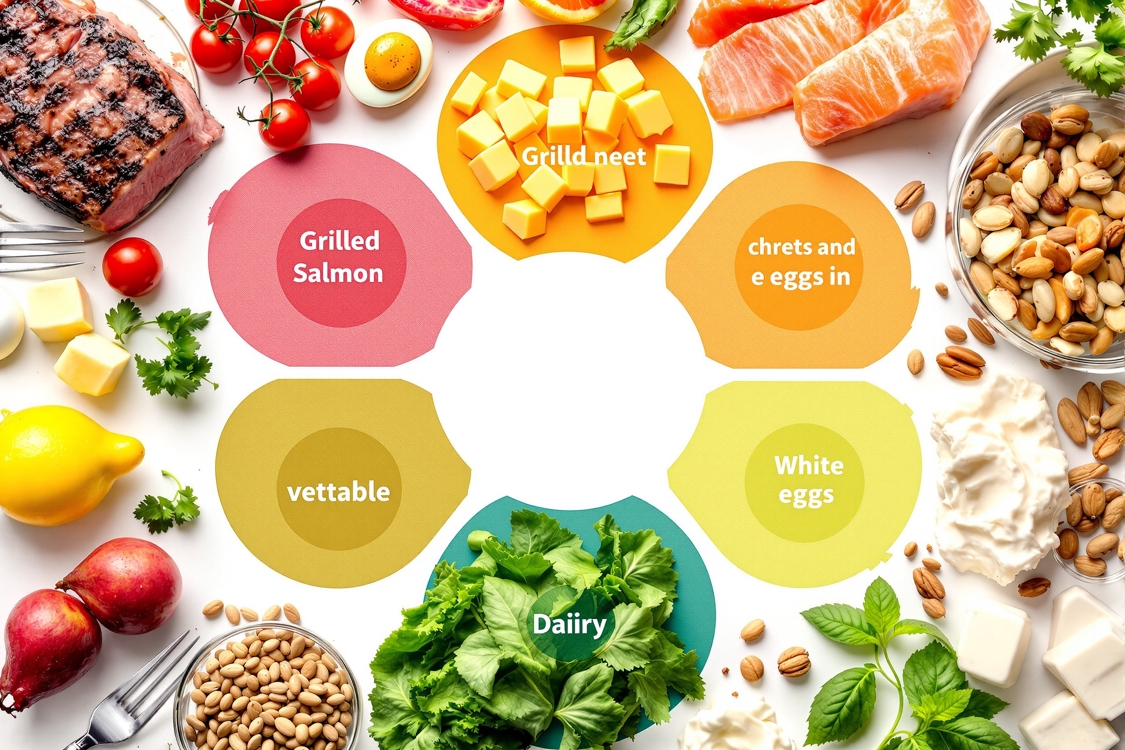
Keto-friendly food categories and staples: prioritize whole foods that support ketosis and deliver satiety. Build meals around high fat, moderate protein and minimal carbohydrates, and plan ahead to prevent accidental carb bumps.
Sample 7-day meal plan with macros: use a practical starting framework and adjust based on response. Aim for roughly 70 to 75 percent of calories from fat, 20 to 25 percent from protein and 5 to 10 percent from carbohydrates each day.
Smart substitutions and dining out tips: maintain ketosis while eating away from home by using practical swaps and mindful choices to minimize carb exposure.
- Healthy fats: olive oil, avocado oil, butter, ghee, avocado
- Protein: fatty fish, eggs, poultry, grass-fed beef and pork
- Low-carb vegetables: leafy greens, cruciferous vegetables, zucchini, peppers
- Full-fat dairy: cheese, cream and yogurt with attention to added sugars
- Nuts and seeds: almonds, walnuts, chia and flax, in moderation
- Day 1: cheese and spinach omelet · salmon salad with olive oil · ribeye with cauliflower mash
- Day 2: scrambled eggs with avocado · chicken thigh bowl with broccoli and butter · Greek yogurt with berries
- Day 3: smoked haddock with cream sauce and asparagus · turkey lettuce wraps · full-fat ricotta with cocoa
- Day 4: chia pudding with coconut milk · beef stir-fry with zucchini · feta stuffed peppers
- Day 5: veggie omelet with bacon · tuna mayo salad · pork chops with sautéed kale
- Day 6: shakshuka-style eggs with peppers · shrimp with zucchini noodles · cheese plate with olives
- Day 7: ground beef bowls with avocado and cheese · roasted salmon with buttered green beans · yogurt with walnuts
- Swap rice or potatoes for extra vegetables or cauliflower rice
- Request sauces on the side and avoid sugary dressings
- Choose grilled, baked or roasted proteins over breaded options

7. Science-Driven Strategies for Sustainability
Individualized macronutrient targets: your keto plan should reflect personal factors like body composition, activity level and metabolic response. Start with a baseline that aligns with 70 to 75 percent fat, 20 to 25 percent protein and 5 to 10 percent carbs, then adjust in small increments based on tolerance and goals. If you train regularly, consider testing fat-to-protein ratios to support performance and recovery.
Example: an endurance athlete might run a leaner fat target during high-mileage weeks while slightly increasing protein to preserve lean mass. A sedentary desk professional could start at the higher end of carbs within keto and monitor fatigue levels after two weeks. Track weekly changes in body composition using a simple measure like waist circumference alongside scale weight to confirm shifts are favorable.
Maintaining adherence and behavior change: sustainability hinges on predictable routines and realistic choices. Focus on meal planning, consistent grocery options and simple recipes, and build a flexible framework that accommodates occasional social meals without derailing ketosis. Batch cook basic staples like eggs, chicken and broccoli on Sundays, and build a rotating set of 4 to 6 go-to meals.
Measuring success — biomarkers and progress metrics: use objective indicators to track progress beyond scale weight. Track ketosis status, fasting glucose and lipid panels as applicable, and monitor satiety, energy levels and mood to gauge how well the plan fits daily life. Data-backed cues to watch include a stable fasting glucose and declining triglycerides after six weeks, plus improved satiety scores on daily logs. Schedule lab checkups with your clinician at milestones such as 8 to 12 weeks into the plan.
- Start at 70–75% fat, 20–25% protein, 5–10% carbs, then adjust in small steps
- Set weekly adjustment windows of 5 grams fat or 2 grams protein and recheck tolerance
- If you hit persistent fatigue or stalls, revisit total daily calories before tweaking macros
- Use a 5-days-consistent, 2-days-flexible rhythm and log deviations to learn patterns
- Track fasting glucose, lipid panels and waist circumference alongside the scale
- Schedule clinician checkups at key milestones, such as 8 and 12 weeks in

8. Conclusion
The ketogenic diet remains a high-fat, very low-carbohydrate approach that promotes nutritional ketosis and shifts energy production away from glucose toward ketone bodies. It can support weight management, metabolic health and certain neurological conditions when guided by qualified professionals.
Realistic planning and ongoing monitoring are essential. Build your plan around sustainable macronutrient targets, align with your activity level, and track biomarkers to verify that your approach remains effective and safe over time.
- Metabolic intent: ketosis reshapes energy use with fat as a primary fuel source
- Medical context: supervision matters for complex conditions and special populations
- Sustainability: long-term adherence hinges on variety, practical meals and achievable goals
Frequently Asked Questions
Nutritional ketosis is a state where your body relies mainly on ketone bodies for energy due to very low carbohydrate intake. You can monitor it with urine strips, blood ketone meters or breath analyzers, with blood measurements offering the most precise readouts. Test fasting in the morning and again two hours after meals to see how dietary choices affect ketosis, and if values fluctuate widely, verify you are not consuming hidden carbs from sauces, condiments or medications.
The approach can suit people aiming to lose weight, improve triglyceride and HDL levels, or address certain neurological conditions under medical supervision. Individuals with diabetes, metabolic disorders or kidney issues should consult a clinician before starting and require tailored plans and monitoring.
Yes. A structured plan can enhance fat oxidation and performance. Athletes may use targeted keto during heavy training blocks and cycle carbohydrates on high-intensity days to sustain performance while staying close to ketosis on rest days. Experiment with a training split that prioritizes endurance work while in ketosis, and insert small carbohydrate refeeds on peak-intensity days if needed to maintain output.
Early signs can include fatigue, headaches or digestive changes as the body shifts from glucose to fat as its primary fuel. Symptoms vary and often improve with hydration, electrolyte balance and adequate salt intake. Drink water with electrolytes, especially magnesium and potassium, and ensure enough protein to preserve lean mass during the transition.
Long-term safety depends on individual factors and consistent monitoring. Regular checks of kidney function, lipid panels and nutrient adequacy, plus adherence to a varied, nutrient-dense menu, help maintain a sustainable approach. Be mindful of potential micronutrient gaps in the first year and plan periodic diet rechecks with a healthcare provider or registered dietitian.