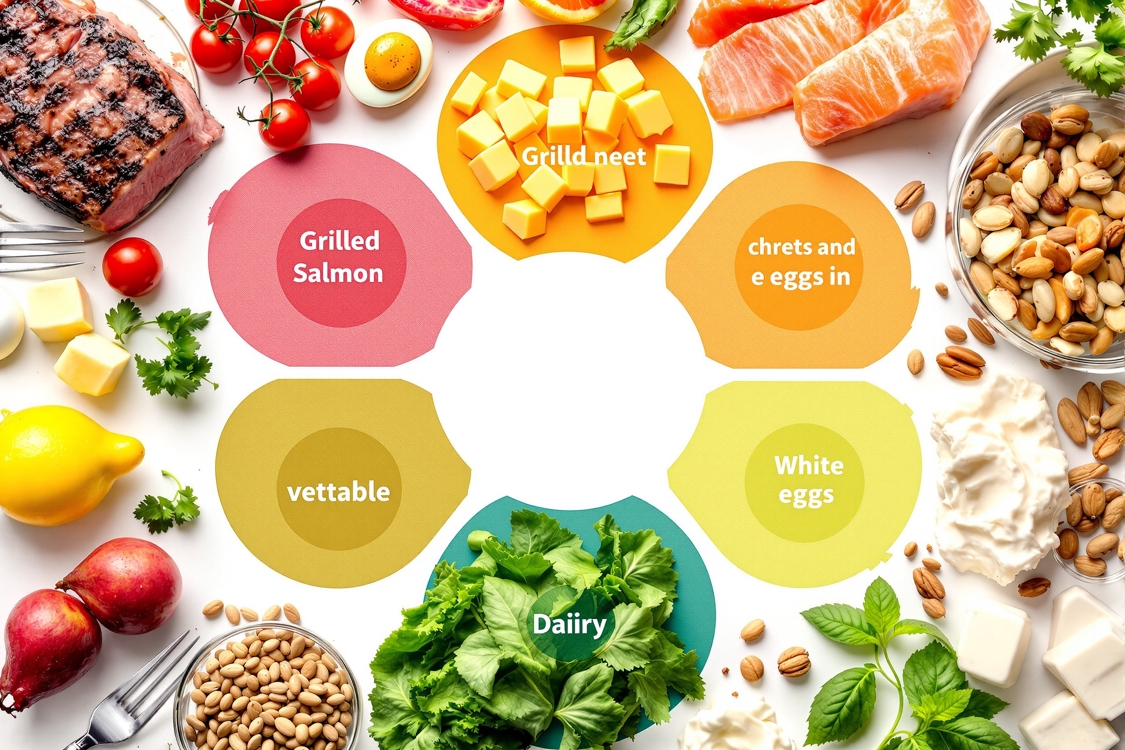
The ketogenic diet is one of the most talked-about ways of eating on the planet — and one of the most misunderstood. This guide gives you a concise, evidence-based overview of what keto actually is, how ketosis turns fat into your main energy source, the macro targets that matter, and the practical steps to start without the overwhelm. Every claim is grounded in established nutrition and medical guidance, paired with real-world application you can use today.
Key Takeaways
- Keto shifts your body from burning glucose to burning fat for fuel
- Ketosis is a measurable metabolic state, not a guess
- Most people aim for 5–10% carbs, 15–20% protein and 60–80% fat
- Four main keto formats suit different goals and lifestyles
- Whole foods, hydration and electrolytes make keto far easier
1. What Is the Keto Diet?
The ketogenic diet centers on a low-carbohydrate, high-fat eating pattern designed to shift your body toward using fat for fuel. By reducing carbohydrate intake enough to trigger metabolic adaptation, fat becomes the primary energy source instead of glucose.
Unlike fad diets that rely on deprivation, keto favors real foods and mindful portions of fats and proteins to support steady energy as your body adapts to fat burning.
How ketosis works in the body: with limited carbs, the liver converts fat into molecules called ketones, which act as an alternative fuel for tissues that normally depend on glucose — including the brain. This shift changes how your body meets its daily energy needs.
Ketosis is a measurable state of metabolic adaptation. It can influence energy, appetite, and how your body stores and uses energy once fat becomes a central fuel source.
- Definition: low-carb, high-fat, moderate-protein eating pattern
- The goal is to trigger and maintain a fat-burning metabolic state
- Fat becomes the primary fuel; ketones support the brain and muscles
- Built around whole foods rather than processed substitutes

2. Ketosis: The Metabolic State
What triggers ketosis: ketosis begins when carbohydrate intake drops low enough to reduce blood glucose and insulin responses. With less glucose available, the liver shifts toward breaking down stored fat for energy. The transition typically follows glycogen depletion and a tightening of carbohydrate availability.
Timing is influenced by activity level, protein intake, and overall energy balance. As your body adapts, you may notice changes in hunger and energy patterns.
How ketones fuel the body: when fats are mobilized, the liver converts them into ketones that circulate in the bloodstream. These ketones serve as an efficient energy source for the brain and muscles during periods of low carbohydrate availability, helping maintain steady energy and cognitive function when glucose is limited.
Ketosis vs. gluconeogenesis: gluconeogenesis is the liver making glucose from non-carbohydrate sources. It can occur alongside ketosis but does not replace fat burning as the primary fuel in a well-established ketogenic state.
- Triggered by low carb intake that reduces blood glucose and insulin
- Liver converts stored fat into ketones as alternative fuel
- Ketones efficiently power the brain and muscles
- Gluconeogenesis complements — but does not replace — fat burning
3. Macronutrient Structure and Daily Targets
Typical macro ranges on keto: fat provides the largest share of daily calories, protein stays moderate, and carbs remain very low. This balance is what supports ketosis and steady energy.
Choosing fats, proteins, and carbs: prioritize high-quality sources to support satiety and nutrient intake, and favor real foods over processed options to minimize hidden carbs and additives.
Understanding net carbs vs. total carbs: net carbs estimate the carbohydrate impact on blood sugar by subtracting fiber and certain sugar alcohols from total carbs. This approach helps many people manage ketosis while allowing variety in vegetables.
- Fat: approximately 60% to 80% of daily calories
- Protein: around 15% to 20%
- Carbs: usually 5% to 10%, often under 50 grams per day
- Healthy fats: avocados, olive oil, fatty fish, nuts in moderation
- Protein: moderate portions from meat, eggs, dairy, and plant-based options
- Carbs: limit starchy foods and sugar; favor non-starchy vegetables
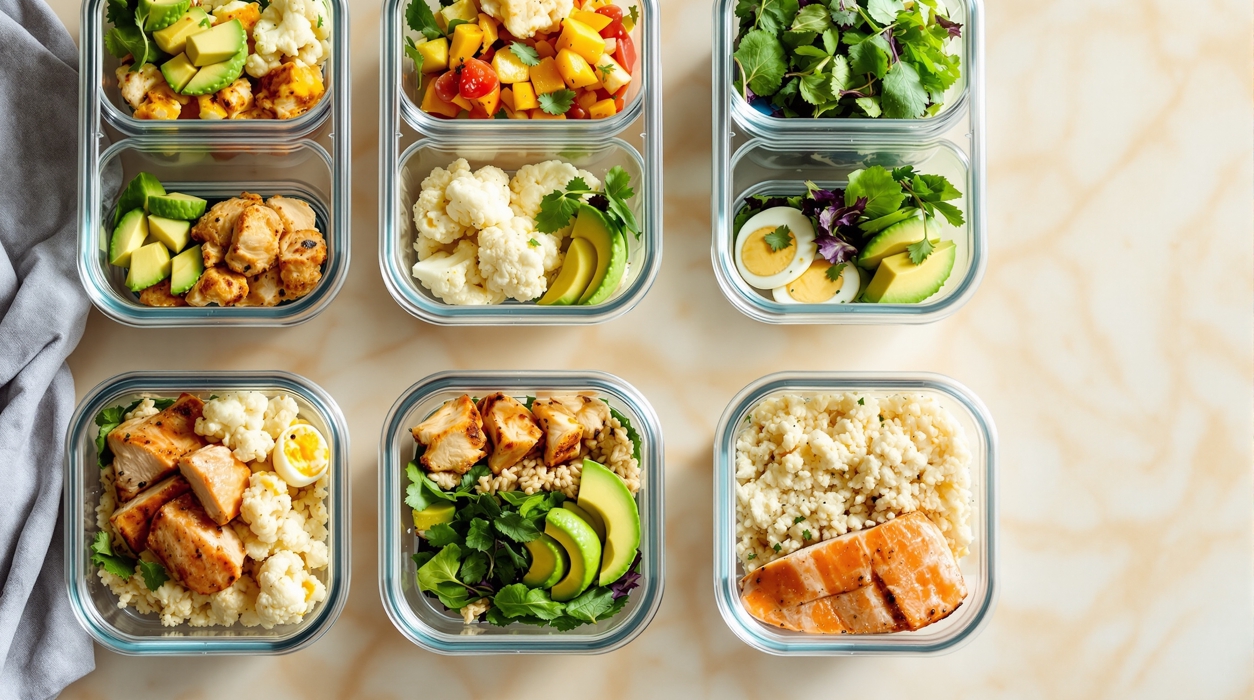
| Macronutrient | Daily Target | Best Sources |
|---|---|---|
| Fat | 60–80% of calories | Olive oil, avocado, butter, ghee, fatty fish, nuts |
| Protein | 15–20% of calories | Eggs, poultry, beef, pork, full-fat dairy |
| Carbs | 5–10% (often under 50g) | Leafy greens, broccoli, cauliflower, zucchini |
4. Common Keto Diet Formats
Not all keto plans look the same. The four formats below all keep carbs low, but they approach timing and protein differently to suit different goals, sports, and lifestyles.
- Standard Ketogenic Diet: very low carb, high fat, moderate protein — the baseline for daily, sustainable ketosis
- Targeted Ketogenic Diet: times carbs around workouts to support performance while preserving ketosis at other times
- Cyclical Ketogenic Diet: alternates ketosis with higher-carb refeed days to replenish glycogen stores
- High-Protein Ketogenic Diet: raises protein while keeping carbs low to protect muscle during weight loss
| Format | Best For | How It Works |
|---|---|---|
| Standard Keto | Beginners and steady fat loss | Very low carb, high fat, moderate protein daily |
| Targeted Keto | Active people and athletes | Small carbs before or after training sessions |
| Cyclical Keto | Strength and endurance athletes | Periodic higher-carb refeed days |
| High-Protein Keto | Muscle preservation while dieting | Higher protein, slightly reduced fat, low carb |
5. Meal Planning: What to Eat and What to Avoid
Prioritize real, minimally processed foods to support ketosis and nutrient adequacy. Emphasize healthy fats, quality protein, and non-starchy vegetables, and build meals from simple templates that keep you consistent.
Hidden carbs are the most common reason people stall. Carbs lurk in sauces, condiments, and processed foods, so always check labels for added sugars and starches — even in items that sound healthy.
- Fat: olive oil, avocado, butter, ghee, fatty fish
- Protein: eggs, poultry, beef, pork, full-fat dairy
- Vegetables: leafy greens, broccoli, cauliflower, zucchini
- Nuts and seeds: almonds, walnuts, chia, flax in moderation
- Beverages: water, unsweetened coffee or tea
- Watch out for: creamy sauces, teriyaki glaze, ketchup, breadings, sweetened dressings and marinades

6. Potential Benefits and Risks
Weight loss and metabolic effects: adopting a keto pattern can support fat loss by lowering carbohydrate intake and promoting fat oxidation. The result can be steadier energy and changes in appetite for some people. Results vary with adherence, activity, and baseline metabolic factors, so focus on nutrient-dense foods to support long-term health.
Blood sugar and insulin impacts: reducing carbs can lessen glucose variability and lower insulin exposure in many individuals, which may be relevant for those aiming to improve glycemic control. Outcomes depend on activity level, protein intake, and overall diet quality.
Possible side effects: early adjustments may bring digestive changes or temporary fatigue as the body adapts. Common early issues include fatigue, dizziness, and constipation. Mitigate them by prioritizing fiber from non-starchy vegetables, staying hydrated, and easing into carbohydrate reductions.
- May support fat loss, steadier energy, and reduced appetite
- Can lower post-meal blood sugar spikes for many people
- Early side effects include fatigue, dizziness, and constipation
- Consult a clinician if you have underlying conditions or take medication
7. Practical Tips for Beginners
Starter steps for the first week: kick off with clear, simple changes that build momentum. Focus on trimming high-carb items and swapping in healthy fats at meals rather than overhauling everything at once.
Tracking progress without overwhelm: let tracking guide decisions without adding stress. Use light, sustainable methods that fit your routine, such as a simple food diary and a weekly weigh-in at the same time each week.
Common mistakes to avoid: plan ahead and verify choices to prevent common slips, like assuming sauces and beverages are carb-free or skipping micronutrient variety.
- Plan three meals per day with a protein, a fat source, and non-starchy vegetables
- Establish a hydration habit and consider electrolytes to support balance
- Track net carbs within your chosen plan to stay within targets
- Keep a simple food diary and note energy, mood, and sleep quality
- Read labels carefully — carbs hide in sauces, condiments, and drinks

8. Conclusion: Is Keto Right for You?
The keto approach centers on shifting your body's energy use from glucose to fat, producing ketones as an alternate fuel. Ketosis emerges when carbohydrate intake is sufficiently low and fat intake is high. Real foods — healthy fats, non-starchy vegetables, and adequate protein — remain central to most keto patterns, and tracking net carbs is often more practical than tracking total carbs.
Evaluate your goals, medical history, and daily routine. Some people thrive with straightforward adherence and clear appetite signals, while others may face sustainability challenges or transient side effects. A healthcare professional or registered dietitian can help tailor a plan to your needs and conditions.
- Ketosis is a distinct metabolic state that changes your primary energy source
- Macro planning should focus on fats, moderate protein, and controlled carbs
- Meal patterns favor whole foods and minimal processing
- Tailor the plan to your goals and consult a professional when needed
Frequently Asked Questions
The core principle is to reduce carbohydrate intake enough to shift your body from using glucose to fat as its primary energy source. This metabolic shift supports ketone production, which can serve as an alternative fuel for many tissues, including the brain.
Most people notice early changes within a few weeks as glycogen stores decline and water losses occur. Individual results vary with activity, adherence, and baseline metabolism. A realistic rate of fat loss after the initial water-weight drop is about 1 to 2 pounds per week.
When well planned, keto is generally safe for many adults. If you have health conditions or take medications, consult a healthcare professional to tailor the plan and monitor potential risks. It is not right for everyone, including some pregnant or nursing women and people with certain medical conditions.
Possible signs include higher ketone levels, steadier energy between meals, and reduced appetite. Some people notice fruity breath. If you want objective confirmation, consider ketone testing options such as blood, breath, or urine ketone strips.
A typical keto split is roughly 60 to 80 percent of calories from fat, 15 to 20 percent from protein, and 5 to 10 percent from carbohydrates — usually under 50 grams of carbs per day, with many people targeting under 20 to 30 grams of net carbs.
References
- Northwestern Medicine: Pros and Cons of the Ketogenic Diet
- UC Davis Health: What is the keto diet, and can it be beneficial for you?
- Healthline: The Ketogenic Diet — A Detailed Beginner's Guide to Keto
- Harvard T.H. Chan School of Public Health: Diet Review — Ketogenic Diet for Weight Loss
- WebMD: Keto Diet — A Beginner's Guide