If you have been circling the keto diet for months but never actually started, this guide is for you. No hype, no confusing science — just a clear explanation of what keto is, how ketosis works, and exactly what to eat on day one.
Key Takeaways
- Keto flips your body's fuel source from glucose to fat
- Most beginners target 20–30g of net carbs per day
- The first week is the hardest — then it gets much easier
- Fat, not protein, becomes your main energy source
What Is the Ketogenic Diet?
The ketogenic diet is a very low-carb, high-fat way of eating that shifts your body into a metabolic state called ketosis. Instead of running on glucose from carbohydrates, your body switches to burning fat — both the fat you eat and the fat stored on your body — for fuel.
It is not a fad. Doctors have used ketogenic diets medically since the 1920s, and modern research links them to appetite control, steadier energy, and meaningful fat loss when followed consistently.
How Ketosis Actually Works
When you cut carbs dramatically, your liver runs out of glycogen and starts converting fat into molecules called ketones. Ketones become your brain and muscles' primary energy source.
Most people enter ketosis within two to four days of strict carb restriction. The clearest signs are reduced appetite, a metallic taste in your mouth, and a noticeable drop in water weight.
- Carbs stay low — usually under 20–30g net per day
- Fat becomes your main calorie source (around 70%)
- Protein stays moderate to protect muscle
- Water and electrolytes become non-negotiable
What to Eat on Keto
Build every meal around a protein, a healthy fat, and a low-carb vegetable. This simple formula keeps you satisfied and makes macro math effortless.
Load your plate with real, whole foods. The less processed your food, the easier it is to stay in ketosis without thinking about it.
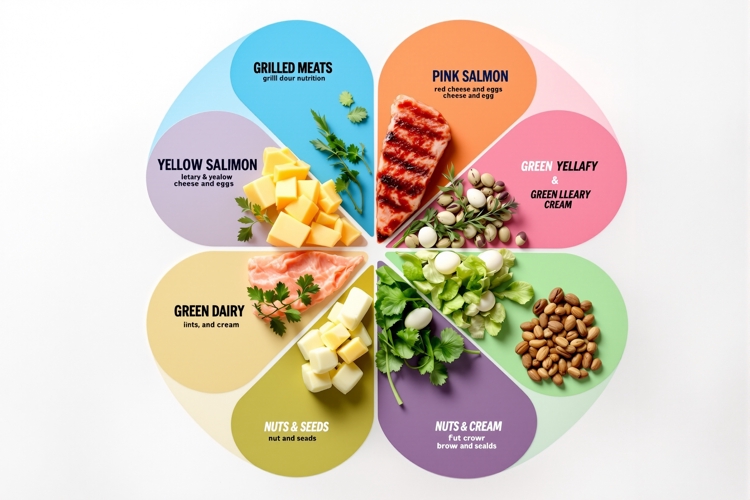
- Eggs, salmon, grass-fed beef, chicken thighs, pork
- Avocado, olive oil, coconut oil, butter, ghee, MCT oil
- Leafy greens, broccoli, cauliflower, zucchini, peppers
- Full-fat cheese, cream, unsweetened Greek yogurt
- Nuts and seeds — almonds, macadamia, walnuts, chia
What to Avoid
The fastest way to derail keto is to eat carbs you did not account for. These foods will kick most people out of ketosis quickly, so treat them as off-limits in the beginning.
- Bread, pasta, rice, oats, and most grains
- Sugar, soda, juice, candy, and desserts
- Potatoes, corn, and other starchy vegetables
- Most beans and legumes
- High-carb fruit like bananas, grapes, and mangoes
Your First 7 Days
Do not overcomplicate the start. Pick three breakfasts, three lunches, and three dinners you actually enjoy, and eat them on rotation for the first week. Repetition kills decision fatigue.
Drink more water than usual and salt your food. Most of the misery people feel in week one is dehydration and electrolyte loss, not the diet itself.
Common Beginner Mistakes
Almost every keto setback comes from one of a handful of predictable mistakes. Fix these and you will be ahead of 90% of beginners.
- Eating too much protein and too little fat
- Forgetting that sauces and dressings hide carbs
- Not tracking carbs for the first few weeks
- Quitting during the keto flu instead of fixing electrolytes
A Simple Day of Eating
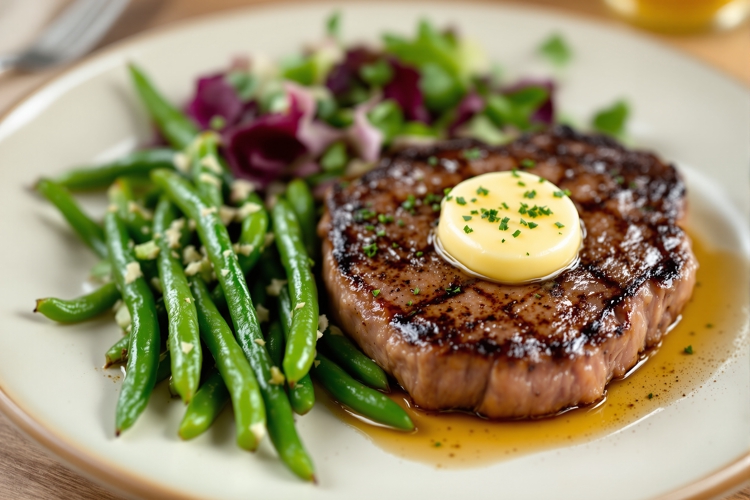
To make this concrete, here is what a straightforward keto day can look like. Breakfast: three eggs scrambled in butter with half an avocado. Lunch: a big salad with grilled chicken, olive oil, cheese, and a handful of olives. Dinner: a fatty cut of meat or salmon with roasted broccoli and a pat of butter. Snack if needed: a handful of macadamia nuts or a boiled egg.
That single template — a protein, a healthy fat, and a low-carb vegetable at every meal — covers most of keto without any complicated tracking. Master it first, then add variety once it feels automatic.

Sponsored
Create your own custom Mediterranean diet plan
Answer a few quick questions and get a personalized meal plan built around your goals — free quiz, no account needed.
Take the Quiz NowMaking the First Week Easier
The first week is the hardest because your body is still expecting carbs. Ease the transition by drinking more water than usual, salting your food generously, and not restricting calories yet — focus only on keeping net carbs low and eating until you are satisfied.
Expect some temporary fatigue or brain fog, and know it usually passes within a few days. If it lingers, the fix is almost always electrolytes: add a pinch of salt to water, eat an avocado, and include leafy greens and broth.
Eating Out and Staying Social Without Breaking Keto
Restaurants and social gatherings are where most beginner keto plans quietly fall apart, and it is rarely about willpower. It is about not having a simple plan before you sit down. The good news is that almost every cuisine has keto-friendly options once you know what to look for, and a few repeatable phrases make ordering effortless.
Before you go, look at the menu online and decide on your meal ahead of time. When you order, ask for grilled or roasted proteins instead of breaded or battered ones, request sauces and dressings on the side, and swap starchy sides for extra vegetables or a side salad with olive oil. At gatherings, eat a little protein and fat before you arrive so you are not arriving hungry, and treat the event as a social occasion rather than a test of restraint.
- Choose grilled, roasted, or pan-seared proteins over breaded or battered options
- Ask for sauces, dressings, and glazes on the side, then use them sparingly
- Swap fries, rice, and potatoes for extra vegetables or a side salad
- Skip the bread basket and ask for it to be removed from the table
- Have a small snack before events so hunger does not make decisions for you
What to Expect Week by Week
Knowing what is normal at each stage removes most of the anxiety that makes beginners quit. Days one to three are usually the most uncomfortable: your body is still expecting carbohydrates, so you may notice headaches, lethargy, or strong cravings for sugar and starch. This is temporary and almost always tied to fluid and electrolyte loss rather than the diet itself. Drinking more water and salting your food generously resolves the majority of symptoms within a few days.
By the end of the first week, most people report that appetite has dropped noticeably and energy is beginning to stabilize. Weeks two and three are where it starts to feel easy — meals become routine, cravings fade, and your clothes begin to fit differently even if the scale plateaus. By week four, you are no longer running an experiment; you are simply eating a certain way, and the habits you built in the first seven days are what carry you forward.
Starting Keto on a Budget
One of the most persistent myths about keto is that it is an expensive diet reserved for people who can afford grass-fed steaks, wild salmon, and artisanal cheeses. In reality, the foods that anchor a ketogenic diet are among the cheapest in the grocery store, and the habits that keep keto affordable are the same habits that make any diet easier to follow. If you plan around eggs, canned fish, frozen vegetables, and whatever protein is on sale that week, you can eat very well on a tight budget.
The single biggest money-saving move is to stop buying specialty products. Coconut flour, almond flour, sugar-free sweeteners, keto protein bars, and pre-made low-carb snacks carry a premium price and are entirely optional. Early on, you do not need any of them. Build your plate from whole foods first, add a couple of specialty items later only if a specific recipe calls for them, and you will spend far less than you would on a standard processed-food basket.
Buying in bulk when something is on sale, freezing leftovers in single portions, and cooking once for two or three meals are all habits that cut cost dramatically without cutting quality. Eggs are the most versatile and inexpensive keto protein available; canned tuna, sardines, and salmon deliver omega-3s for a fraction of fresh fish; frozen spinach, broccoli, and cauliflower are nutritionally comparable to fresh and often cheaper year round. None of this feels like sacrifice once it becomes routine.
- Buy eggs, canned fish, and whichever fresh protein is on sale
- Use frozen vegetables liberally — they are as nutritious and far cheaper
- Skip specialty flours, sweeteners, and bars until a recipe truly needs them
- Cook once, eat two or three times; freeze single portions for busy weeks
- Buy cheese, butter, and olive oil in larger sizes when the price allows
Building Habits That Survive Real Life
Most people who succeed on keto long term do not have more willpower than anyone else. They have a set of small habits that make the right choice the easy choice. The most powerful of these is repetition: eating the same handful of breakfasts and lunches on autopilot removes the dozens of small decisions that drain resolve throughout the day. By the time dinner arrives, you still have the mental energy to plan and enjoy it.
The second habit is preparation, but only in a modest, sustainable form. You do not need a picture-perfect Sunday meal-prep session. You need a fridge that contains two or three ready-to-eat keto options — boiled eggs, cooked chicken, washed salad, cut cheese — so that being hungry never becomes an emergency. An emergency is what leads to takeout, and takeout is what quietly ends most keto attempts.
Finally, plan for the moments you know will be hard rather than pretending they will not happen. Birthdays, holidays, travel, and stressful work weeks will all arrive. Deciding in advance what you will eat at a party, keeping a snack in your bag, and accepting that one imperfect meal is not a failure are what make keto durable instead of fragile. Consistency across months beats intensity across days every single time.
Frequently Asked Questions
Most people enter ketosis within two to four days of keeping net carbs under about 20 to 30 grams. Your activity level, protein intake, and how strictly you restrict carbs all influence the timing. The clearest early signs are reduced appetite, a slight metallic or fruity taste in your mouth, and a quick drop in water weight during the first week.
Not at first. In the beginning, focus on counting net carbs and keeping them under your target while eating until satisfied. Once your appetite naturally drops, many people lose weight without strict calorie counting. If progress stalls after the first month, tracking calories for a week or two can help you spot portion drift.
That is usually the keto flu, a temporary reaction to losing water and electrolytes rather than an actual illness. The fix is simple: drink plenty of water and increase your sodium, potassium, and magnesium through salted food, avocado, leafy greens, and broth. Most symptoms pass within a few days.
For most healthy adults, yes. The diet has been studied for decades and used medically since the 1920s. Still, if you are pregnant, nursing, or taking medication — especially for diabetes or blood pressure — check with your doctor first, since carb restriction can change how those medications affect you.
Most adults do well with roughly two to three liters of water per day on keto, more if you are active or live somewhere warm. The early drop in insulin causes your kidneys to excrete more sodium and water, so plain hydration alone is not enough — pair it with sodium, potassium, and magnesium from salted food, broth, leafy greens, and avocado. A simple check is urine color: pale straw means you are well hydrated.
Black coffee and unsweetened tea are fine and can even help suppress appetite. Adding sugar, flavored syrups, or sweetened creamers is what causes trouble. Alcohol is more nuanced: dry wine, spirits, and light beer in moderation fit most keto plans, but alcohol is processed before fat, so it temporarily pauses fat burning. Choose low-carb drinks, alternate with water, and keep it occasional rather than daily.
References
Sponsored
Ready to build your own Mediterranean keto plan?
Take the free quiz and get a personalized meal plan tailored to your goals, lifestyle, and food preferences — no account required.