New to keto and not sure where to start? This guide gives you a practical, starter-friendly path you can follow from day one. Inside you get a clear 14 to 28 day jump-start plan, a stocked keto pantry, real first-week meals, honest fixes for the keto flu and cravings, safety guidance, and the simple metrics that actually show progress — all in plain, actionable language.
Key Takeaways
- Follow a simple 7-step plan instead of overhauling everything at once
- Stock a core keto pantry once and meals get easy
- Plan meals as protein + fat + low-carb vegetable
- Hydration and electrolytes beat most early keto symptoms
- Track energy, measurements and ketones — not just the scale
1. The 7-Step Jump-Start Plan
This is your first-week roadmap. Each step is small on purpose, so you build momentum instead of overwhelming yourself. Work through them in order and adjust as you learn how your body responds.
The general idea: swap high-carb staples for low-carb substitutes — think cauliflower rice in place of white rice and shirataki noodles for pasta night — while increasing healthy fats and keeping protein steady.
- Step 1 — Clear your carb goals: pick a daily carb target, log each meal, and adjust by 5 grams weekly until you hit it consistently
- Step 2 — Choose healthy fats: olive oil, coconut oil and grass-fed butter; start MCT oil at 1 teaspoon per meal and build up
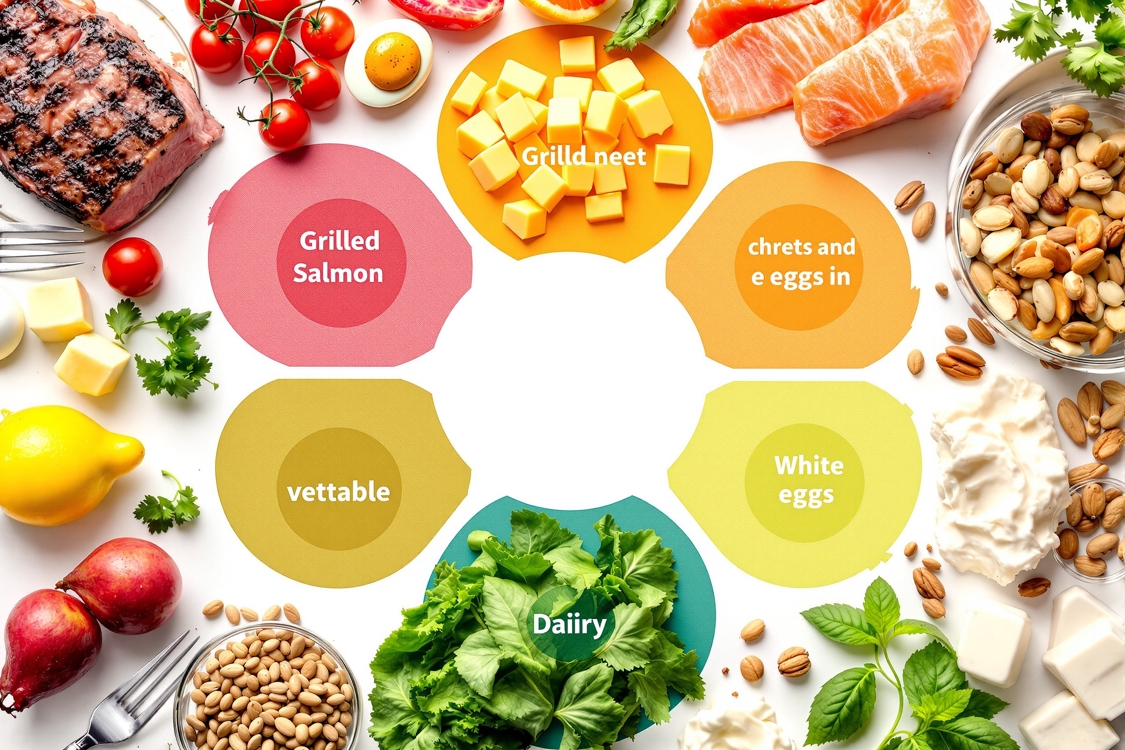
- Step 3 — Pick keto-friendly proteins: pasture-raised poultry, grass-fed beef, fatty fish, eggs and tolerable dairy
- Step 4 — Load up on low-carb vegetables: leafy greens, cruciferous veggies and colorful peppers for fiber with minimal carbs
- Step 5 — Hydration and electrolytes: sip water all day and add sodium, potassium and magnesium, especially in the first two weeks
- Step 6 — Plan simple keto meals: protein + veggie + fat, most meals under 20 minutes, batch-cook once or twice a week
- Step 7 — Track progress and adjust: note energy, mood and appetite daily, then reassess every 14 days

2. Keto-Friendly Pantry Staples
Stock these once and low-carb meals become effortless. Choose fats that support satiety and hold up to cooking heat, proteins that satisfy hunger, and flavor boosters that keep food interesting without adding carbs.
- Oils and fats: olive oil, coconut oil, grass-fed butter or ghee, MCT oil in modest amounts, cocoa butter for desserts
- Proteins and dairy: eggs, fatty cuts of beef, pork and poultry, salmon and mackerel, full-fat cheese and unsweetened yogurt
- Non-starchy vegetables: leafy greens, broccoli, cauliflower, zucchini, avocado and olives for fullness
- Flavor boosters: herbs, garlic, chili, citrus zest, and olives or pickles with no added sugar
- Convenience items: bulletproof coffee, keto-labeled bars and bites, collagen protein, and unsweetened nut butters

3. First Week Meal Ideas
Keep breakfasts simple with a protein, a fat and a low-carb vegetable, and prep components the night before to cut morning prep time. Choose lunches and dinners that come together in about 30 minutes, and batch-cook proteins and vegetables so you can assemble meals fast on busy days.
Have ready-to-eat snacks on hand to prevent non-keto temptations, and focus on satiating fats and adequate protein.
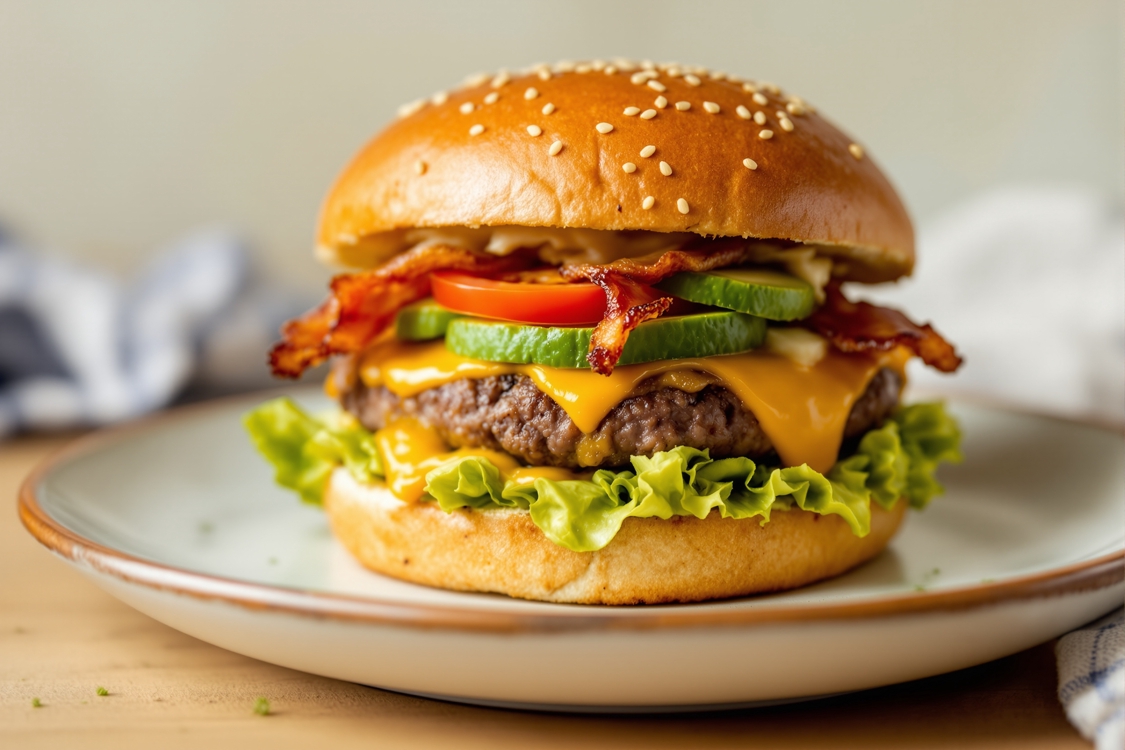
- Breakfast: eggs with avocado and an olive oil drizzle, bulletproof coffee, or full-fat Greek yogurt with cocoa nibs and a few berries
- Lunch and dinner: grilled salmon with sautéed greens, beef or chicken stir-fry with broccoli and peppers, or a leafy salad with avocado and hard-boiled eggs
- Snacks: collagen protein in coffee, hard cheese with olives, or celery with almond butter

| Meal | Key Components | Tips |
|---|---|---|
| Breakfast | Protein + fat + veg | Prep eggs in advance and keep avocado ready |
| Lunch | Protein + greens + fat | Use one-pan methods to save time |
| Dinner | Protein + non-starchy veg + fat | Batch-cook proteins for multiple nights |
4. Common Hurdles and How to Overcome Them
The keto flu: when you shift to burning fat for fuel, you may feel fatigue, brain fog or lightheadedness in the first days. It is temporary and tied to electrolyte and fluid balance. Sip water consistently, include broth or electrolyte supplements, and keep meals centered on healthy fats to sustain energy.
Cravings and social situations: cravings rise around non-keto foods at events or restaurants. Use protein and fat to curb appetite, choose keto-friendly options you actually enjoy before you go, and keep a compatible snack on hand so you never feel deprived.
Digestive changes and fiber goals: more fat and fewer carbs can affect digestion. Support it with fiber-rich non-starchy vegetables and steady hydration, introduce fiber gradually, and include probiotic foods if you tolerate dairy.
- Sip water and use electrolytes to reduce headache and fatigue
- Plan ahead for events instead of relying on willpower
- Prioritize leafy greens, broccoli and cruciferous vegetables for fiber
- Introduce fiber and probiotics gradually and track how you feel
5. Managing Ketosis Safely: When to See a Doctor
Consult a clinician before starting keto if you have any medical concerns. Seek guidance first if you are pregnant or breastfeeding, have Type 1 diabetes or a history of pancreatitis, kidney disease or stones, gout or high uric acid, or take diabetes or blood pressure medications.
Warning signs to watch for: seek professional input if symptoms persist or worsen beyond the early adaptation phase. Long-term, pair fat intake with a range of nutrient-dense foods, schedule periodic labs to monitor lipid, kidney and liver markers, and reassess your goals and tolerance every one to three months.
- Persistent fatigue or dizziness beyond the first week
- Severe dehydration, unusual thirst, or significantly reduced urination
- Severe abdominal pain, vomiting or dark urine
- Signs of ketoacidosis in high-risk individuals, such as confusion or rapid breathing
6. Tracking Progress: What to Measure
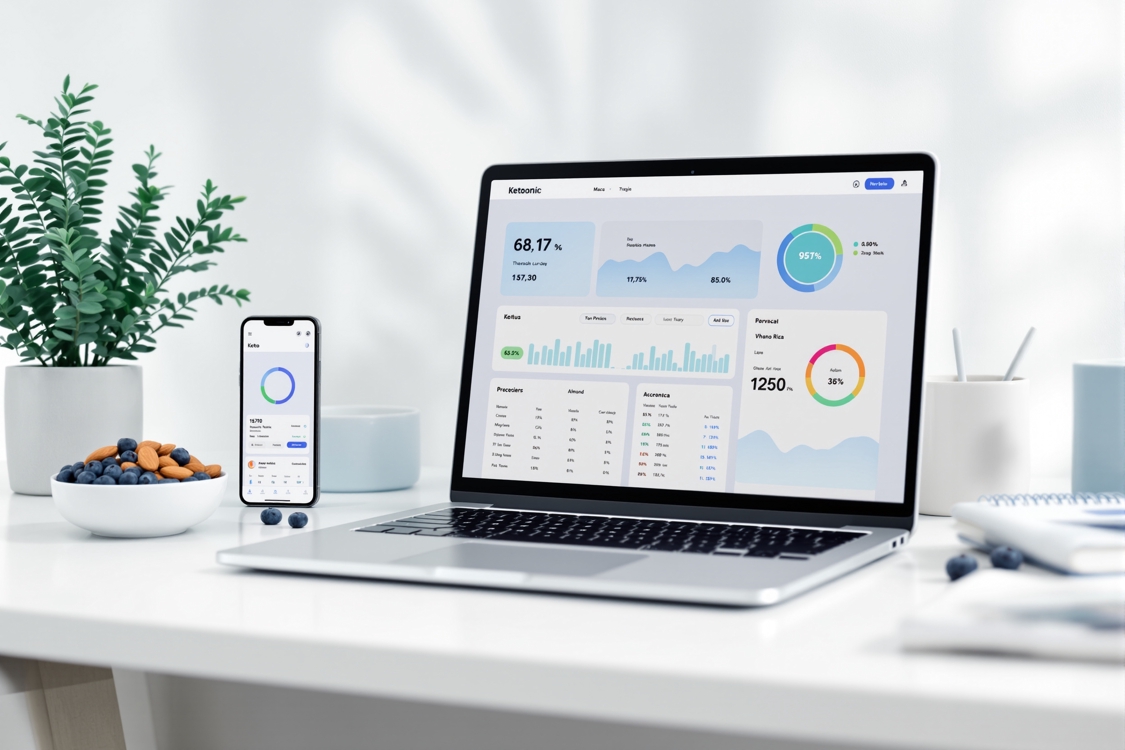
Keep a plain-language daily log of how you feel — mornings, cravings and focus — alongside mood, sleep and daytime alertness. Choose a ketone tracking method that fits your routine: blood ketone meters for precision, breath meters for quick checks, or urine strips to monitor early adaptation.
The scale alone misses important changes in fat and muscle. Track multiple metrics to gauge true progress and adjust your strategy accordingly.

| Metric | What It Tells You | How Often |
|---|---|---|
| Scale weight | Overall mass changes | Weekly |
| Waist measurement | Visceral and abdominal fat shifts | Every 2–4 weeks |
| Body fat percentage | Fat versus lean mass trends | Every 4–8 weeks |
| Strength or performance | Preservation or gains in muscle | Weekly |
7. Conclusion: Your Jump-Start Recap
You established a clear carb ceiling, integrated healthy fats, and selected dependable keto-friendly proteins. You filled plates with low-carb vegetables and added a hydration strategy to support adaptation. Simple, repeatable meals reduced decision fatigue, and tracking helped you fine-tune macros without overthinking.
Consistency matters most: grow variety in fats and proteins while staying within your carb limit, and schedule regular check-ins to make sure your goals still align with how you feel and perform.
- Keep net carbs within your target and adjust fats to meet energy needs
- Rely on practical staples for quick, reliable meals
- Rotate fats such as olive oil, coconut oil and butter to balance intake
- Plan ahead with batch cooking to maintain momentum
| Practice | Benefit |
|---|---|
| Consistent macros | Supports steady energy and fat adaptation |
| Meal planning | Reduces last-minute decisions and prevents slips |
| Routine hydration | Maintains electrolyte balance and comfort |
Frequently Asked Questions
Set strict carb limits and a steady fat intake. Swap high-carb foods for healthy fats and protein, then monitor how you feel as you adjust. Track net carbs daily, prioritize whole foods over ultra-processed options, and drink beverages that support ketosis, such as coffee with grass-fed butter or MCT oil.
Keep it practical with a small, repeatable plan. Choose a few reliable fats, protein sources and low-carb vegetables to reduce decision fatigue. Stock ready-to-go staples like eggs, avocados, chicken thighs and broccoli, plan meals around a protein and a fat plus non-starchy vegetables, and batch-cook on a Sunday to cover the week.
Avoid high-sugar and high-starch items and limit ultra-processed snacks. Keeping carbs low helps prevent energy crashes and cravings early on. Skip bread, pasta, rice and pastries, sugary drinks, soda, candy and desserts, and high-carb fruits like bananas and grapes.
Expect differences based on adherence and physiology. Days 1 to 3 you may notice cravings ease and water weight loss begin. From 1 to 2 weeks fat adaptation improves and energy steadies. At 3 to 4 or more weeks, body composition changes appear with consistent adherence.
For many healthy adults, keto is generally safe when well planned. However, consult a clinician first if you are pregnant or breastfeeding, have Type 1 diabetes, a history of pancreatitis, kidney disease or stones, gout, or take diabetes or blood pressure medications. Watch for persistent symptoms and get regular check-ins for long-term use.
References
- Whole Foods Market: 4 Easy Ways to Jumpstart Keto-Friendly Eating
- Mercy: Nine Things to Know Before Kick Starting a Keto Diet
- Healthline: The Ketogenic Diet — A Detailed Beginner's Guide to Keto
- Everyday Health: Keto Diet — 9 Steps for Beginners
- Arizona Gynecology Consultants: Keto Diet for Beginners — A Complete Guide