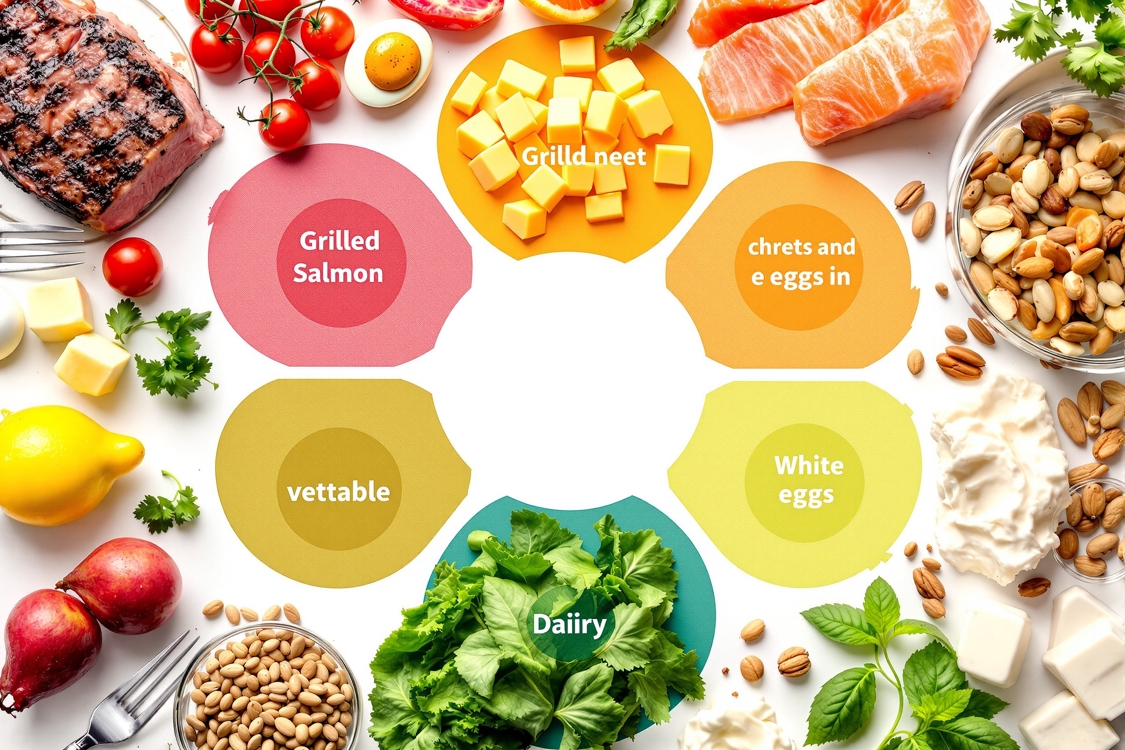
The keto diet is a low-carbohydrate, high-fat eating pattern designed to put your body into ketosis — the state where it burns fat for fuel instead of glucose from carbs. For many people that shift supports steady weight loss and clearer energy. Yet progress often stalls, and it is almost never because keto "does not work." It is because of a handful of predictable, fixable mistakes. This guide walks you through the seven most common keto missteps — too little fat, too much protein, hidden carbs, missing electrolytes, neglected micronutrients, low-quality fats, and calorie drift — with practical, science-aligned fixes you can apply today. The goal is steady progress, not confusion or deprivation.
Key Takeaways
- Most keto plateaus trace back to seven common, fixable mistakes
- Fat should be your main fuel — too little stalls energy and adherence
- Excess protein can blunt ketosis through gluconeogenesis
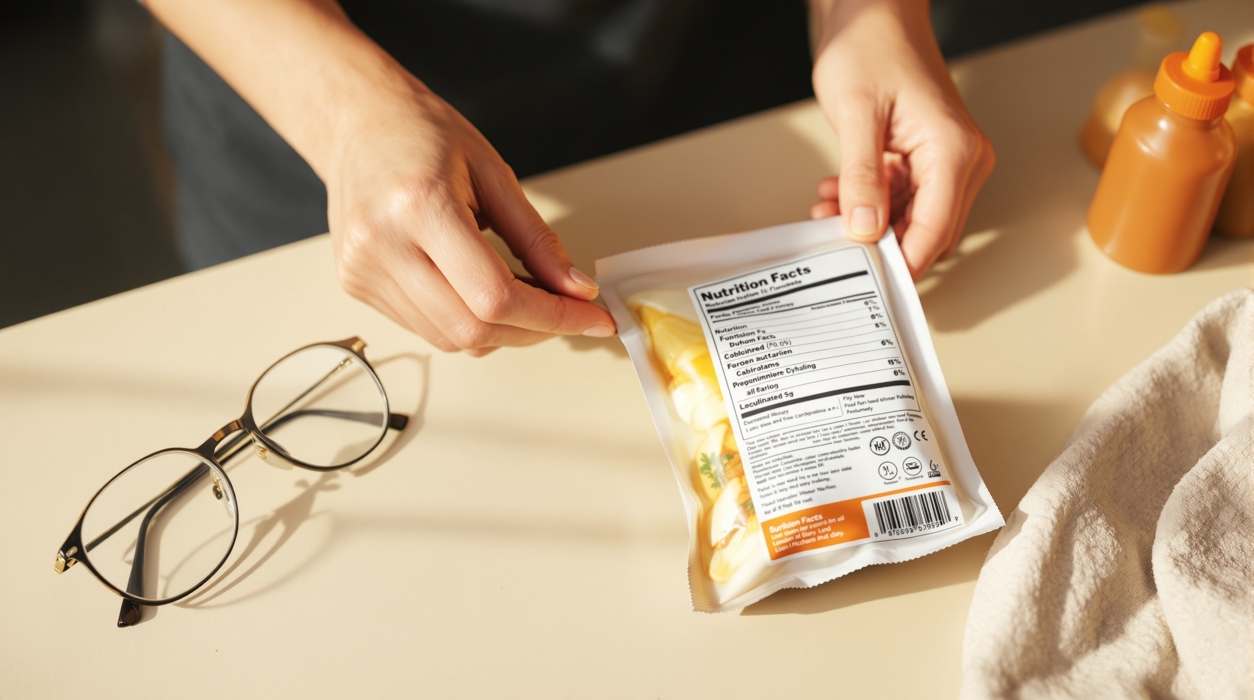
- Hidden carbs lurk in sauces, dressings and processed foods
- Water plus sodium, potassium and magnesium prevent the keto flu
- Favor whole, minimally processed fats over refined options
1. Not Eating Enough Fat
Why fat is the body's fuel on keto: on a ketogenic diet, fat becomes the primary energy source. When carbohydrates are limited, your body relies on fat for daily activities and to sustain ketosis. Adequate fat supports steady energy and helps manage hunger.
Too little fat can stall progress. You may feel fatigued or experience cravings that derail adherence. Fat also carries fat-soluble vitamins such as A, D, E and K, aiding nutrient absorption, so chronically low fat intake can quietly compromise nutrition as well.
The fix is not drowning everything in butter — it is choosing high-quality fats deliberately and spreading them across meals so your energy stays even and your appetite stays controlled.
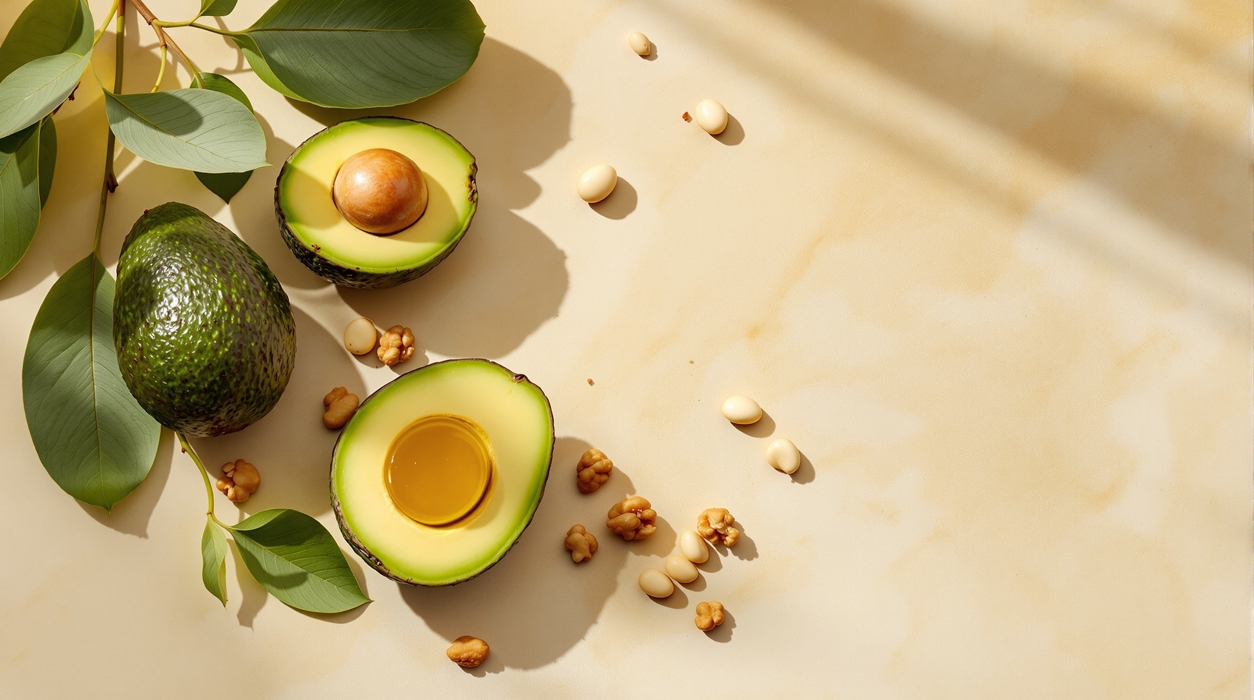
- Choose high-quality fats: olive oil, butter, ghee and avocado oil as meal bases
- Prioritize fatty cuts and oily fish: salmon, sardines and grass-fed meats add natural fat with protein
- Incorporate fats with fiber: avocado, olives and coconut aid fullness and nutrients
- Season with fats to improve palatability: a splash of olive oil or a pat of butter on vegetables boosts taste and satiety
- Spread fat intake across meals: include a fat source in each main dish to maintain energy balance
2. Eating Too Much Protein
Protein's role on a ketogenic diet: protein supports muscle maintenance, enzyme function and overall health while you follow a keto plan. However, the goal is to preserve lean mass without kicking you out of ketosis. Excess protein can be converted to glucose through gluconeogenesis, which may slow fat burning.
On keto, fat remains the primary fuel source. Too much protein shifts the balance and can reduce the depth of ketosis, making weight loss slower or causing a plateau. Beginners often misjudge portions, chasing fullness with protein-rich foods rather than fat-rich choices.
The fix is balance: set a modest protein target for your activity level, then pair each protein portion with a larger fat portion so the energy ratio stays ketogenic.
- Set modest protein targets aligned with your activity level and body composition
- Pair each protein portion with a larger fat portion to maintain the energy ratio
- Choose complete proteins from fatty sources like fatty fish, eggs and full-fat dairy when tolerated
- Limit high-protein snacks that offer little fat, such as lean meats or shakes without added fats
- Check how you feel after meals — persistent hunger or cravings usually means fat intake needs to rise before revisiting protein portions
4. Not Drinking Enough Water or Missing Electrolytes
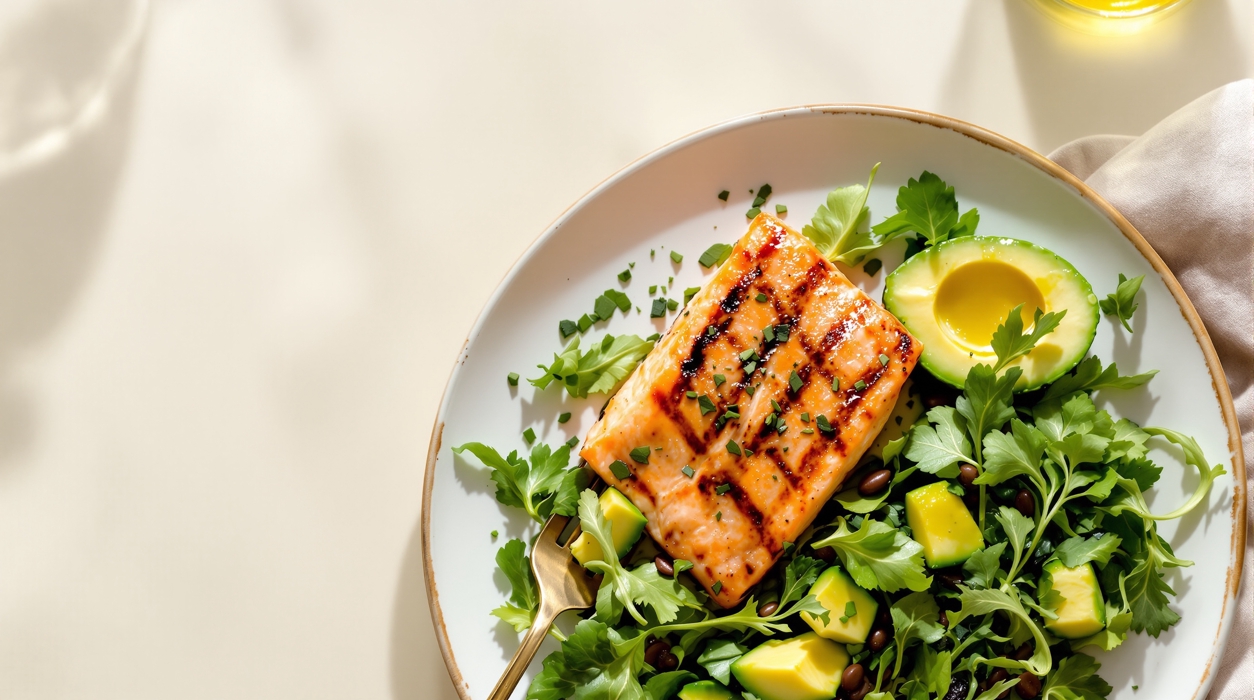
The keto-diuretic effect and why it matters: starting keto increases urine output as your kidneys shed water and electrolytes. This can lead to dehydration if you do not drink enough fluids. Dehydration often brings headaches, fatigue and reduced workout performance, which can derail adherence.
Electrolyte balance is essential for muscle function and nerve signaling. Low sodium, potassium or magnesium can trigger cravings, cramps or sleep disturbances, undermining progress. Rehydration with plain water alone can actually make things worse by further diluting the minerals you have left.
- Drink water consistently: sip small amounts throughout the day rather than loading up at meals
- Salt awareness: add a pinch of salt to water or meals to maintain sodium levels, especially if you sweat a lot
- Electrolyte timing: consider a balanced electrolyte beverage around workouts or on hot days, avoiding added sugars
- Mineral variety: include foods rich in magnesium and potassium when your tolerance allows, such as leafy greens and fatty fish
- Urine cues: pale straw-colored urine is a quick, practical hydration check

5. Ignoring Fiber and Micronutrient Needs
Why minerals matter on keto: minerals matter on keto beyond basic energy. They support hydration, nerve signaling and muscle function, especially when your body shifts to fat as fuel. Skipping mineral-rich foods can bring fatigue, cramps or mood dips, notably during early adaptation.
Low mineral intake can also complicate water balance and electrolyte management, making ketosis feel tougher. Fiber deserves equal attention — cutting carbs often means cutting vegetables, which quietly removes the fiber that keeps digestion comfortable. Aim for a balanced approach that covers essential micronutrients without undermining ketosis.
- Magnesium: almonds, spinach, avocado
- Potassium: leafy greens, fatty fish like salmon, mushrooms
- Calcium: full-fat dairy or fortified alternatives if tolerated
- Vitamin A and other fat-soluble vitamins: liver, eggs and cod liver oil in appropriate amounts
- B vitamins: eggs, sardines and low-carb legumes in moderation depending on tolerance
6. Eating Low-Quality Fats
Distinguishing healthy fats from processed options: on a keto plan, fat is the main fuel, but not all fats fuel you the same way. Low-quality fats often come from highly processed sources that can trigger inflammation or digestion issues. Focus on fats that support steady energy and satiety.
Healthy fats tend to be minimally processed and rich in essential fatty acids. They support ketosis without surprising your system with hidden additives or trans fats. Reading labels helps you spot refined oils and junk fats before you incorporate them into meals.
- Prioritize fatty fish like salmon and sardines for omega-3s and high-quality fat
- Choose extra virgin olive oil and avocados for monounsaturated fats
- Include eggs and full-fat dairy if tolerated to balance fat with protein
- Use butter or ghee from reputable sources for cooking at moderate temperatures
- Avoid ultra-processed snack fats and hydrogenated oils that may disrupt ketosis

| Fat Type | Benefits | Food Sources | Notes |
|---|---|---|---|
| Omega-3 rich fats | Reduces inflammation, supports heart and brain health | Salmon, sardines, mackerel | Aim for fatty fish 2–3 times weekly |
| Monounsaturated fats | Stable energy, helps satiety | Olive oil, avocado, almonds | Use for dressings and finishing oils |
| Saturated fats | Solid energy source, good for cooking | Butter, ghee, coconut oil | Balance with unsaturated fats |
7. Overeating or Under-eating Calories
Calorie awareness on keto: on keto, your body shifts fuel use, but calories still matter. Too many calories, even from fat, can stall weight loss. Too few can slow metabolism and cause fatigue. Track intake to keep a steady pace toward your goals.
Aim for consistency over perfection. Use reliable portion sizes and meal timing to stay within your target range. Regular check-ins help you stay aligned with progress — and remember that keto reduces appetite for many people, so going under rather than over is often the more common slip.
- Start with a protein target and build fat around it for satiety
- Plan meals 24 hours ahead to avoid impulse choices
- Distribute calories across 3 meals plus 1 snack on active days
- Use simple templates: protein, fat, non-starchy vegetables and a healthy fat source
- Adjust portions after a week based on weight trends and energy levels
8. Conclusion: Your Personalized Fix-It Plan
You now have a practical framework to spot and fix the most common keto mistakes. Focus on balancing fat and protein, watching hidden carbs, and staying hydrated with electrolytes. Plate quality matters alongside macros for sustainable ketosis. Tracking intake and listening to your body supports steady progress and helps prevent the keto flu.
Use the checklist below as a weekly audit. Small, consistent corrections compound far faster than dramatic overhauls — and they are what separate a stalled keto attempt from lasting results.
- Audit fat and protein: ensure fats provide the majority of calories while protein supports muscle without displacing ketosis
- Track hidden carbs: read labels and favor whole, minimally processed foods to limit unexpected carb bumps
- Hydration and electrolytes: set a daily water target and include sodium, potassium and magnesium as needed
- Fiber and micronutrients: prioritize leafy greens and keto-friendly vegetables to meet mineral and vitamin needs
- Quality fats: favor omega-3 rich sources and monounsaturated fats over processed options for long-term tolerance
- Calorie awareness: plan meals around protein targets and use simple templates to stay within ranges
- Adaptation timing: expect variation in how quickly you feel benefits and adjust pace accordingly

Frequently Asked Questions
Ketosis is the state where your body relies on fat for fuel rather than carbohydrates. You may notice steadier energy and appetite control, with measurable ketone levels in urine or blood indicating entry into ketosis. Tracking ketone levels can provide confirmation beyond how you feel.
Adaptation timelines differ. Some people notice improvements within a couple of weeks, others take several weeks. Staying consistent with macros and hydration supports a smoother transition. Persistent fatigue or cravings usually mean fat intake is too low or electrolytes are missing.
Yes. Keto and intermittent fasting can complement each other and may enhance fat burning. Start with a gentle fasting window and ensure you meet daily nutrient needs during eating periods. Monitor energy and mood and adjust as needed.
Evidence supports cautious long-term use for many individuals, but ongoing monitoring matters. Prioritize micronutrients, fiber and electrolytes, and consult a healthcare professional if you have underlying conditions or medications that could be affected.
The single most common mistake is getting the fat-to-protein balance wrong — usually eating too little fat and too much protein. Fat should provide the majority of calories so your body stays in ketosis, while protein stays moderate to protect muscle without being converted into glucose.