This guide gives you practical keto meal plans, shopping lists, and macro guidance you can put to work today. It is built around weekly menus designed to keep net carbs under 20 grams per day while supporting weight loss and steady energy, using everyday foods like eggs, deli meats, and cheese turned into real, satisfying meals.
Key Takeaways
- Two full weeks of menus plus a printable weekly planner template
- Targets under 20g net carbs per day for steady ketosis
- Grocery lists grouped by category so you shop once a week
- Simple rules for customizing portions for individuals and families
- Practical prep habits, pitfalls, and tools that keep you consistent
1. 14-Day Keto Meal Plan Overview
This two-week framework keeps net carbs steady and protein consistent. Every day includes breakfast, lunch, and dinner with an optional snack, built from repeatable ingredients so shopping stays simple.
Week 1 sets reliable portions to build your routine. Week 2 adds variety through different proteins and vegetables without pushing your carb total higher, so you keep momentum without complicating your macros.
A simple approach: rotate a base of chicken, eggs, and salmon with leafy greens and cruciferous vegetables. If your target is 20g net carbs a day, you can swap grilled chicken for turkey or broccoli for cauliflower and stay on track by keeping portion sizes the same.
- Egg-centered meals such as scrambled eggs with spinach and mushrooms
- No-cook plates built from deli meats and cheese with cucumber slices
- Lean proteins paired with low-carb vegetables and olive oil
- Healthy fats from avocado, olive oil, nuts, and full-fat dairy
- Macro focus: net carbs under 15 to 25g, protein at 0.6 to 1.0g per pound, fats for satiety
2. 7-Day Keto-Friendly Meal Plan Essentials
Plan every day around protein, non-starchy vegetables, and healthy fats. Expect breakfasts like eggs with greens and cheese, plus quick no-cook options for busy mornings. Lunches pair lean protein with vegetables and fats to sustain energy, while dinners center on versatile proteins, leafy greens, and olive oil.
Snacks should be portion-controlled to avoid blood sugar spikes. Prioritize protein-rich choices and satisfying fats to curb cravings between meals.
- Stock core items: eggs, cheese, deli meats, olive oil, and butter
- Prioritize low-carb vegetables such as spinach, broccoli, and zucchini
- Choose lean proteins like chicken, fish, and turkey for steady energy
- Keep bouillon on hand to boost flavor and maintain electrolytes
- Plan one batch-cook session to build no-cook plates and ready-to-eat lunches
3. Printable Keto Meal Planner Templates
These templates map meals for each day while keeping net carbs under 20 grams. They are quick to fill in and easy to adjust when plans change, with colored sections to separate breakfast, lunch, dinner, and snacks.
Print and post them in the kitchen, or save them as a reusable PDF. The layout includes Week 1 and Week 2 so you can cycle without reinventing the wheel each week.
Add a column for actual intake versus targets to spot the days you routinely go over or under by 2 to 5 grams. That single habit sharpens every plan you build afterward.
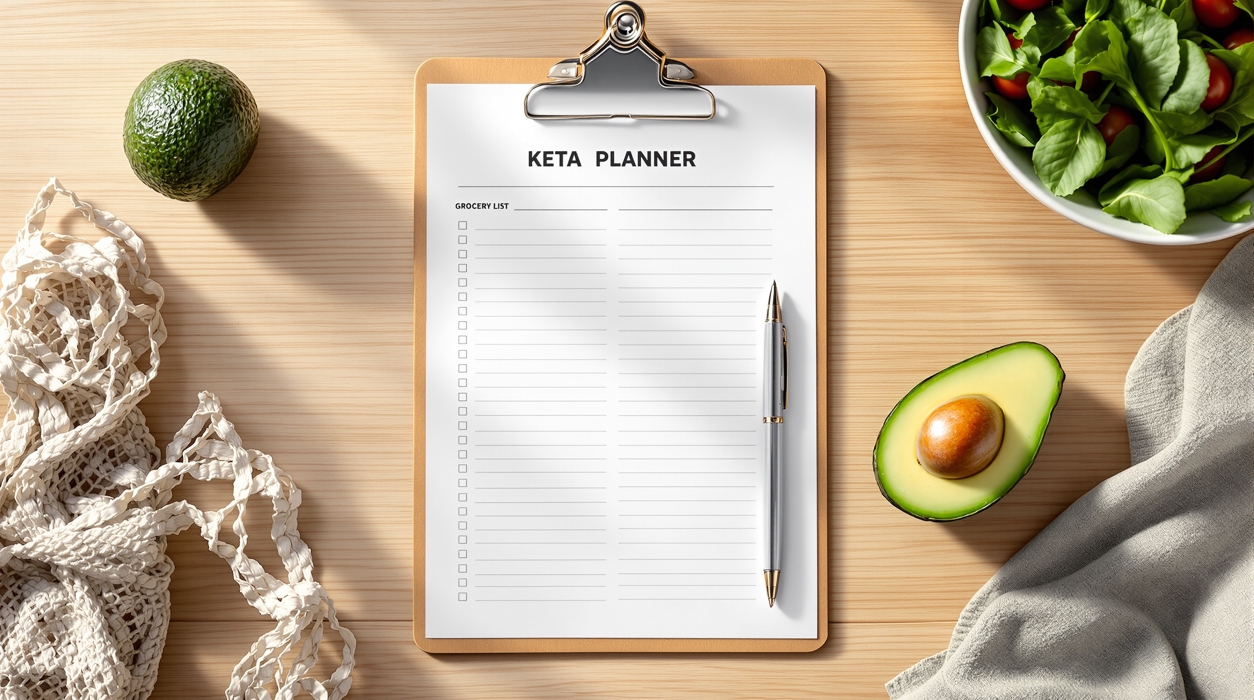
| Template Type | What It Includes | Customization Tips |
|---|---|---|
| Weekly planning template | Daily meal slots, net carb target, protein and fat notes | Add usual portions and adjust for higher-activity days |
| Grocery list template | Grouped by category, estimated quantities, optional substitutions | Enter family size, cross off items you already have |
4. Customizing Keto Plans for Your Needs
Adjust portions to match activity, goals, and body composition. Start with a baseline, then tweak in small steps so net carbs stay stable.
Individual plans: tailor protein to activity level and appetite while keeping fats aligned with satiety. Family plans: scale shared dishes by multiplying ingredients while keeping per-serving macros consistent. Meal spacing: spread protein across meals to sustain energy and avoid spikes.
Choose flexible ingredients that fit common preferences without compromising keto targets, swapping components while preserving macro balance.
- Allergies or intolerances: swap dairy or shellfish for compliant alternatives
- Religious or ethical needs: select permissible proteins and fats that fit your rules
- Medical considerations: adjust carb tolerance and fat sources with professional guidance
| Adjustment Area | Practical Tips | Example Substitutions |
|---|---|---|
| Portion scaling | Use per-serving macros as anchors, adjust in 10 to 20% steps | Add 2 oz chicken, keep vegetables and fats constant |
| Dietary restrictions | Choose compliant dairy or non-dairy fats, check label carbs | Swap cheese type, replace cream with coconut cream |
5. Practical Tips for Successful Keto Meal Planning
Batch cooking saves time while keeping net carbs under 20 grams a day. Start with a core menu you genuinely enjoy, then add small variations to prevent fatigue.
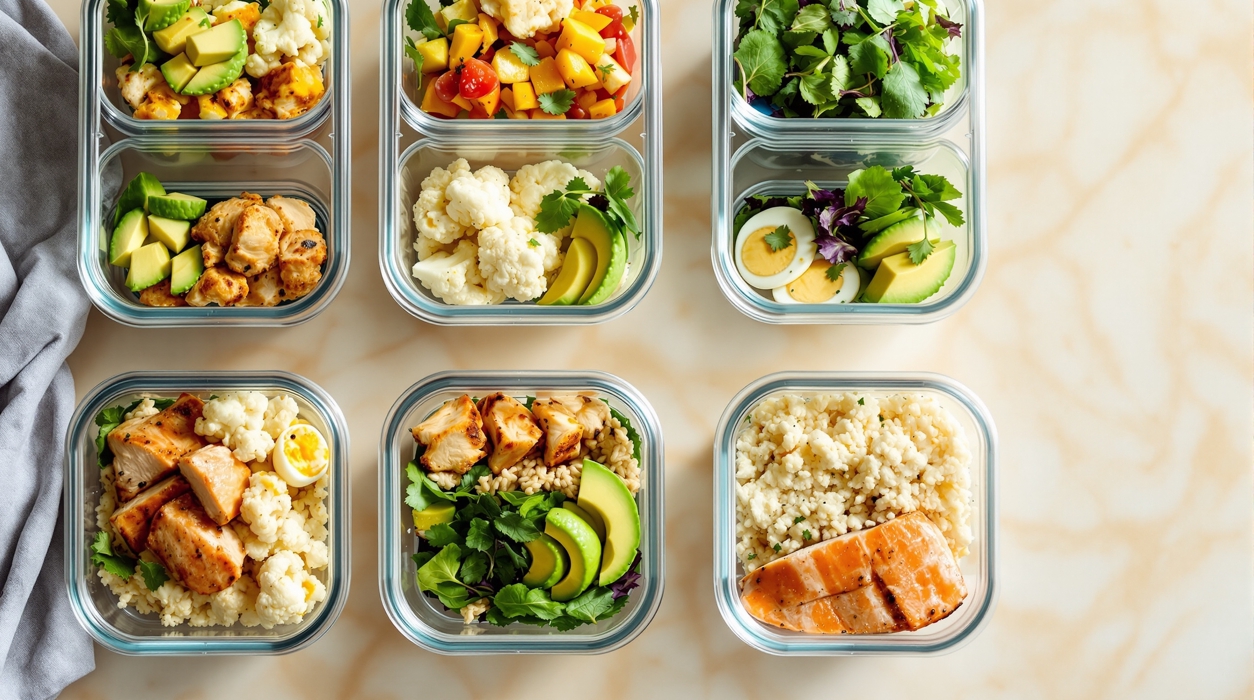
Schedule one weekly prep session and freeze portions for busy days. Label each container with the date and its macros to make grab-and-go decisions effortless.
Organize your pantry for fast decisions at the store. A clear system reduces impulse buys and keeps you aligned with your keto targets.
- Cook protein in bulk and portion into meal-sized containers
- Prep low-carb vegetables ahead, roasted or steamed for fast reheating
- Pre-make no-cook plates with deli meats, cheese, and sliced vegetables
- Use low-sodium bouillon to flavor quick soups without adding carbs
- Rotate a short two-week menu cycle to prevent flavor fatigue
6. Common Pitfalls and How to Avoid Them
Keep net carbs within your target while ensuring adequate protein and fat. A single overshoot can disrupt ketosis and your energy balance.
A hiccup happens to everyone, and the goal is a quick reset, not a return to old habits. Identify the lapse, whether it was a high-carb meal or a skipped prep session, and note why it happened. Then return to a light, low-carb day to regain balance without frustration.
- Verify daily totals in your template to catch drift early
- Prioritize whole foods over processed items that hide carbs
- Adjust portion sizes rather than adding carb-heavy foods
- Update your notes when activity or appetite changes
| Common Issue | Immediate Fix | Long-Term Prevention |
|---|---|---|
| Carb creep | Track net carbs at each meal and adjust the next one | Add more non-starchy vegetables and snack mindfully |
| Protein gaps | Include a lean protein source at the next meal | Plan consistent protein portions across eating windows |
7. Tools and Resources for Keto Planning
Use digital tools to streamline planning and tracking. Choose apps that support net carbs, protein targets, and fat distribution, and log meals before shopping so you buy the right fats and proteins.
Pair simple recipes with precise per-serving macros to stay consistent. On heavier training days, increase protein by 10 to 20 grams and adjust fats to match your target.
- Meal planning apps with macro tracking and grocery lists
- Printable weekly templates for offline use
- Templates that support Week 1 and Week 2 with built-in macros
- Source-tested recipes tailored for ketogenic targets
| Tool Type | Key Benefit | Best Use Case |
|---|---|---|
| Mobile app | Real-time macro tracking, reminders, shopping lists | On-the-go planning and quick adjustments |
| Printable template | Low-tech accessibility, keeps a physical record | Week 1 rollout and family use |
| Macro-focused recipe pack | Clear per-serving macros and portion guidance | Standardizing meals across days |
Conclusion
A structured keto meal plan supports steady energy, clearer blood sugar control, and consistent progress toward weight loss and metabolic health. Focusing on low-carb choices and deliberate macro tracking reduces cravings and simplifies decisions all week.
You end up with a flexible framework that adapts to shifts in activity, schedule, and preferences. Weekly menus and templates keep you aligned with a keto lifestyle without guesswork.
- Start with Week 1 as your baseline and stock a core keto pantry
- Set a simple target of under 20g net carbs a day and track protein and fats
- Schedule a 2 to 3 hour batch cooking session to cut midweek cooking time
- Use no-cook plates when time is short: deli meats, cheese, and lettuce wraps
- Review progress weekly, adjust portions, and update your shopping lists
Frequently Asked Questions
Focus on high-quality protein, non-starchy vegetables, and healthy fats, and plan simple meals you enjoy so you stay consistent. A sample day: scrambled eggs with avocado and greens for breakfast, grilled chicken salad with olive oil dressing and cheese for lunch, baked salmon with roasted broccoli for dinner, and deli meats with cheese, olives, or a handful of nuts for a snack.
The 2-2-2-2 rule is a simple framework for balancing your day: two meals with protein sources, two servings of non-starchy vegetables, two healthy fat components, and two hours between meals to support digestion and steady energy.
The 3-3-3 rule keeps planning practical: three core meals to rotate weekly, three prep sessions per week for batch cooking, and three ingredients or techniques repeated across meals to simplify shopping and decisions.
Yes. Several planners offer free templates that let you map meals, track net carbs, and print a shopping list. A printable weekly template paired with a free macro-tracking app covers most planning needs at no cost.
Most keto meal plans target under 20 grams of net carbs per day to reach and maintain ketosis, though some people stay in ketosis at 25 to 30 grams. Start at 20 grams, then adjust based on your energy, hunger, and results.