Being hungry between meals is where most keto plans fall apart. These ten snacks are low-carb, satisfying, and require zero cooking — so you always have something keto-safe within reach.
Key Takeaways
- All ten stay under 5g net carbs
- Most need no prep at all
- Protein plus fat keeps you full longer
- Prep snacks ahead to avoid temptation
Why Snacking Smart Matters on Keto
Keto naturally reduces appetite for many people, but cravings still strike — especially in the first few weeks. Having keto-safe snacks ready is the difference between staying on track and grabbing whatever is nearby.
The trick is to snack on protein and fat together, not just fat. Protein is what actually turns off hunger.
The 10 Best Keto Snacks
Keep these on hand at home, at work, and in the car.
- Hard-boiled eggs with a sprinkle of salt
- Cheese slices with olives
- Celery sticks with almond butter
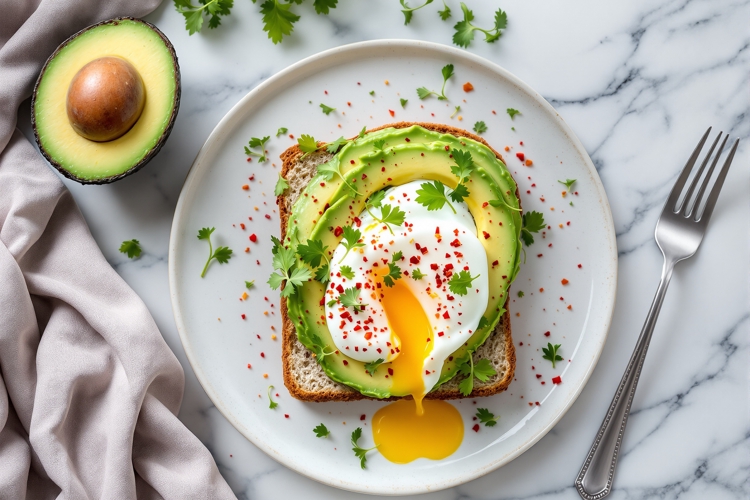
- Avocado sprinkled with sea salt and chili
- Beef jerky with no added sugar
- Nuts — almonds, pecans, macadamia
- Cucumber rounds with cream cheese
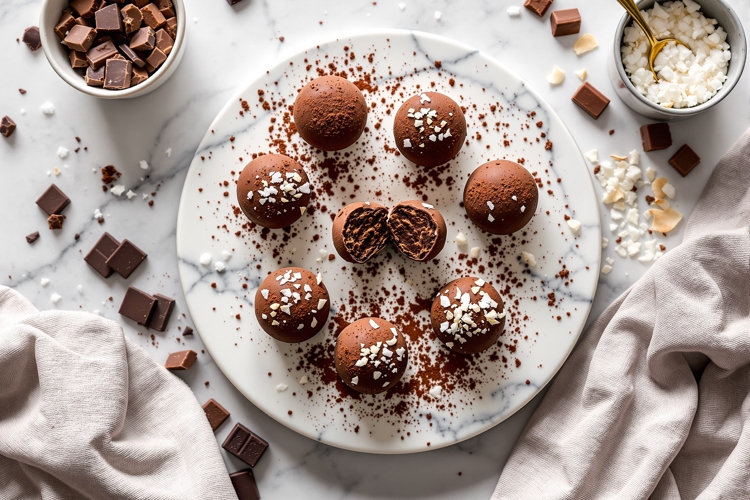
- Dark chocolate (85% or higher), one or two squares
- Pork rinds for a crunchy, zero-carb fix
- Handful of coconut flakes
Snacks to Avoid
These look innocent but hide enough carbs to knock you out of ketosis.
- Flavored or sweetened yogurt
- Most energy and granola bars
- Trail mix with dried fruit or chocolate chips
- Flavored nuts with sugar coatings
How to Portion Snacks Without Overdoing Fats
Because keto snacks are calorie-dense, portioning matters. Pre-bag nuts and cheese into single servings so you eat one without thinking about it.
Treat snacks as a bridge between meals, not an extra meal. If you are genuinely hungry all the time, that is usually a sign your main meals need more protein.
Build a Go-To Snack Kit
The single best way to stay on track is to make the healthy choice the easy choice. Keep a small stash in three places — your fridge, your desk drawer, and your car — so a craving never sends you to a vending machine or drive-thru.
Stock the fridge with hard-boiled eggs, cheese, olives, and pre-cut cucumber and celery. Keep shelf-stable options like unsweetened jerky, pork rinds, nuts, and 85% dark chocolate in your bag or car. Replenish once a week so you are never caught without something keto-safe.
Portion everything ahead of time. A handful of almonds is easy to misjudge, and that is where calorie creep hides. Bag nuts, cheese, and dark chocolate into single servings so you grab one and stop — no measuring, no second-guessing.

Sponsored
Create your own custom Mediterranean diet plan
Answer a few quick questions and get a personalized meal plan built around your goals — free quiz, no account needed.
Take the Quiz NowHow to Build a Keto Snack Stash
The moment you most want a snack is the moment you are least willing to prepare one, which is why having keto-safe options already within reach matters far more than willpower. Build your stash in layers: one drawer at home, one shelf at work, and one small bag that lives in the car or your handbag. When a keto snack is always closer than the vending machine, staying on plan stops being a decision.
Keep shelf-stable items for the car and office, and refrigerated items at home. Restock your stash once a week, ideally at the same time you do your grocery shopping, so it never runs empty. An empty stash is the single most common reason people slip on a busy day.
- Home stash: hard-boiled eggs, cheese, olives, avocado, cucumber, cut vegetables
- Work stash: nuts, unsweetened jerky, pork rinds, individual cheese portions
- Car stash: nuts, coconut flakes, sugar-free beef sticks, water bottles
- Restock weekly so the stash never runs empty
- Keep the snacks visible — out of sight usually means forgotten
Does Snacking Help or Hurt Weight Loss on Keto?
It depends entirely on why you are snacking. If a planned snack prevents you from arriving at a restaurant ravenous or from caving to office cookies, it helps adherence and keeps your results on track. If snacking is something you do out of boredom, habit, or because food happens to be nearby, it adds calories without adding value and can quietly stall progress.
A useful test is to ask whether you are hungry or simply looking for something to do. Keto naturally blunts appetite for many people, so genuine hunger between meals is often a signal that your main meals are too small or too low in protein. Try increasing protein at your next meal instead of adding a snack, and see whether the hunger disappears. If it does, the snack was covering a meal problem.
Portable Snacks for Work, Travel, and Airports
Travel is a common weak spot because airports, gas stations, and hotel lobbies are built almost entirely out of carbs. The solution is to bring your own food and treat what is available in transit as a fallback rather than a plan.
- Nuts and seeds in pre-portioned bags
- Unsweetened jerky or meat sticks that list no added sugar
- Pork rinds, which are crunchy and essentially zero-carb
- Individual cheese portions, if you have a cooler bag
- Hard-boiled eggs from a grocery store for short trips
- Coconut flakes or a couple of squares of 85% dark chocolate
Snacks for Training Days and Active Lifestyles
If you exercise regularly, your snacking needs look different from someone who is mostly sedentary. Training depletes glycogen and can increase appetite for hours afterward, especially during the first few weeks of keto while your body is still adapting to burning fat for fuel. During that window, a protein-forward snack after a workout helps recovery and keeps hunger from turning into an all-out binge at your next meal.
Good choices around activity include a boiled egg or two, a handful of nuts with cheese, a few slices of turkey with avocado, or a small portion of full-fat Greek yogurt if you tolerate dairy. Protein matters more than fat immediately after training, so lean toward eggs, meat, or fish rather than a fat bomb. Save the denser fat snacks for later in the day when they will not interfere with recovery or appetite.
Hydration deserves the same attention as food on active days, and it is one of the most overlooked parts of keto performance. Electrolytes lost through sweat need replacing, particularly sodium and potassium, so keep salted water or broth within reach during and after long sessions. Many people mistake dehydration and low electrolytes for hunger and reach for a snack when a glass of salted water is what the body actually needed.
- Protein-forward snacks after training: eggs, turkey, fish, cheese
- Save fat bombs for later, not immediately around workouts
- Replace sodium and potassium after sweating heavily
- Salted water or broth often beats a snack when you feel hungry
Frequently Asked Questions
Anything that pairs protein with fat works best, because protein is what actually turns off hunger signals. Hard-boiled eggs, cheese with olives, or celery with almond butter are all excellent choices that satisfy without a blood-sugar spike.
Ideally, no. Snacking out of habit can stall weight loss by keeping insulin slightly elevated and adding calories you do not need. Use snacks to bridge genuine hunger between meals, not as a default activity. If you are never truly hungry, your meals are doing their job.
Some are, but always read the label. Many products marketed as keto still contain hidden sugars, maltitol, or starches that can knock you out of ketosis. Look for short ingredient lists and check the net carbs per serving rather than trusting the front-of-package claim.
Pre-portion everything. Bag nuts, cheese, and other snacks into single servings ahead of time so you grab one portion instead of eating from a large container. A kitchen scale or measuring cups in the first few weeks will help you calibrate what a serving actually looks like.
You can, but it is worth examining why. Late-night snacking is often about habit or stress rather than hunger, and it adds calories right before the least active part of your day. If you are genuinely hungry at night, a small protein-and-fat snack such as cheese or a boiled egg is fine. If it is boredom, try sparkling water or herbal tea first and see whether the urge passes within fifteen minutes.
Macadamia nuts and pecans are the lowest-carb choices, at roughly one to two grams of net carbs per ounce. Brazil nuts and walnuts are close behind, followed by almonds at around two to three grams. Cashews and pistachios are the highest among common nuts and are best treated as an occasional treat. Whatever you choose, portion them out rather than eating from the bag, because nuts are calorie-dense.
References
Sponsored
Ready to build your own Mediterranean keto plan?
Take the free quiz and get a personalized meal plan tailored to your goals, lifestyle, and food preferences — no account required.